

Trauma & PTSD therapy · Orem, Provo & Logan
Trauma Therapy
in Orem, Provo & Logan, Utah
What happened to you is not who you are. Trauma-focused therapy, including EMDR, helps painful memories lose their grip so you can feel safe in your own life again.


Is this for you?
Trauma Therapy Is For You If You’re…
- Struggle with anxiety, depression, or emotional distress linked to past experiences
- Experience nightmares, flashbacks, or intrusive thoughts about a traumatic event
- Feel guilt, shame, or self-blame related to what happened
- Have difficulty trusting others or forming healthy relationships
- Feel emotionally numb, disconnected, or on edge
- Avoid certain places, people, or situations due to fear or distress
- Want to process religious trauma and its lasting effects
- Seek to heal from abuse, accidents, or other distressing experiences
Understanding trauma
What Is Trauma Therapy?
Quick answer
Trauma therapy is specialized counseling that helps your brain and body process distressing experiences, so memories stop feeling like they are happening now and symptoms like flashbacks, nightmares, and constant alertness ease.
Trauma is not only about big events. Ongoing stress, painful relationships, medical experiences, or harm done in the name of faith can leave the same marks. What matters is how it is still affecting you today.
6 in 10
men, and 5 in 10 women, go through at least one trauma in their lives
6 in 100
people will have PTSD at some point in their lives
8 vs 4
women are about twice as likely as men to develop PTSD (8 in 100 vs 4 in 100)
Source: National Center for PTSD, U.S. Department of Veterans Affairs. Most people who go through trauma do not develop PTSD, and PTSD is treatable.
Signs
Common Signs of Trauma and PTSD
PTSD symptoms usually fall into four groups. You do not need all of them, or a diagnosis, to benefit from trauma therapy.
Reliving it
Avoiding reminders
Always on alert
Changes in mood and beliefs
Your nervous system
Fight, Flight, Freeze, or Fawn
These are survival responses, not character flaws. Therapy helps your nervous system learn that the danger has passed. Read more about the four trauma responses.
Fight
Flight
Freeze
Fawn
What we treat
Types of Trauma We Help With
Childhood trauma
Relationship and sexual trauma
Accidents and injuries
First responders and high-stress jobs
Religious trauma
Loss and grief
Trauma is an emotional response
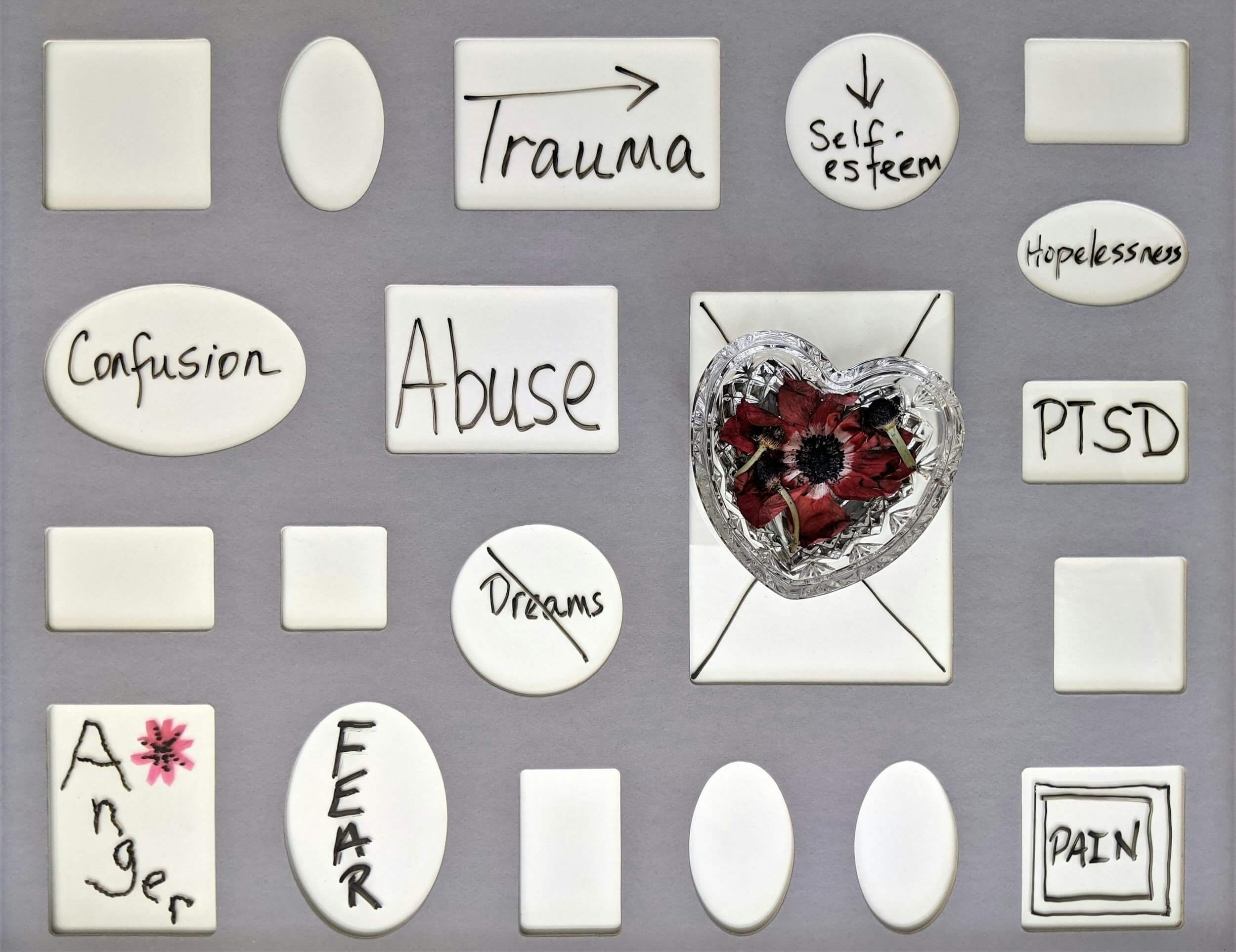
Trauma is an emotional response to a deeply distressing or disturbing event, such as abuse, an accident, a natural disaster, or even religious trauma. These experiences can leave lasting emotional and psychological scars, shaping how we feel, think, and engage with the world. Trauma isn’t just about the event itself—it’s about how our brains and bodies process it. Sometimes, these painful experiences get “stuck,” leading to symptoms like anxiety, depression, nightmares, feelings of guilt or shame, or difficulty trusting others. Therapy provides a safe space to process these wounds, helping to untangle the emotional pain and lingering effects. Approaches like EMDR (Eye Movement Desensitization and Reprocessing), CBT (Cognitive Behavioral Therapy), and trauma-focused therapy work to reframe and heal the impact of past experiences. Over time, therapy can help you regain a sense of control, peace, and emotional stability, allowing you to move forward and reclaim your life with a renewed sense of empowerment, healing, and resilience.
Recommended Therapist for Trauma
Orem, Utah Therapists

Joel Wallis, LCSW

Emily Haglund, CMHC-I

Sarah Warner, LCSW

Tiffany Russell, LMFT

Jen Paschall, MFT

Brittany Reynolds, LMFT, CAA-ADHD

Kat Willardsen, CSW

Jeannie Streadbeck, MFT-I

Provo, Utah Therapists

Hayden Allen, ACMHC

Jeremiah VanDyke, CMHC

Kylee Hales, CSW

Noah Weber, CSW


Logan, Utah Therapists

Nathan Tubbs, LCSW

Katie Funk, CSW

Sarah Reynolds, LCSW, CCTP-1

Jackie Petersen, CSW

How we help
Evidence-Based Trauma Treatment
01
EMDR therapy
Eye Movement Desensitization and Reprocessing helps the brain reprocess painful memories so they feel like the past, not the present. Learn more about EMDR therapy.
02
Trauma-focused CBT
Identifies the beliefs trauma left behind, like “it was my fault” or “I am never safe,” and replaces them with more accurate, kinder ones.
03
Acceptance and Commitment Therapy
Builds room for painful feelings while you move toward what matters to you. See our approaches to therapy.
04
Nervous system skills
Grounding, breathing, and body awareness so you can calm a racing heart and feel present between sessions.
Your process
What Trauma Therapy Looks Like
1. Safety and stabilization. We start by building trust and skills to manage distress. You never have to share more than you are ready to.
2. Processing. With approaches like EMDR, we work through the memories that still hold power, at a pace that feels manageable.
3. Moving forward. We focus on relationships, confidence, and the life you want now that the past is not running it.
Some people feel relief within weeks, especially with single-event trauma. Complex or long-term trauma usually takes longer, and that is okay.

You do not have to carry it alone
Our trauma therapists in Orem, Provo, and Logan work with adults and teens. If the trauma is affecting your relationship, couples therapy can help you heal together.
Questions
FAQs About Trauma Therapy
-
Do I have to talk about my trauma in detail?No. You decide what to share and when. Approaches like EMDR do not require you to describe every detail out loud, and we always start by building safety and coping skills first.
-
How do I know if I have PTSD?Common signs are reliving the event through flashbacks or nightmares, avoiding reminders, feeling constantly on edge, and changes in mood or beliefs that last more than a month. A therapist can assess this with you, but you do not need a diagnosis to start trauma therapy.
-
How long does trauma therapy take?It depends on the kind of trauma. Single-event trauma often improves within a few months, while complex or childhood trauma usually takes longer. We review progress with you regularly.
-
What is EMDR and does it work?EMDR (Eye Movement Desensitization and Reprocessing) is a structured therapy that helps the brain reprocess traumatic memories. It is recommended for PTSD by the U.S. Department of Veterans Affairs and the World Health Organization. Learn more on our EMDR therapy page.
-
Can childhood trauma affect me as an adult?Yes. Early experiences shape how we handle stress, trust, and relationships. Many adults come to therapy for anxiety, depression, or relationship struggles and discover childhood trauma underneath. It can be treated at any age.
-
Where do you offer trauma therapy?We offer trauma therapy at our Orem, Provo, and Logan, Utah offices. You can see the recommended therapists for each location on this page.
What You Can Expect
A stronger relationship with yourself, your emotions, and your values.