

Sport & Performance Psychology · Provo, Utah
Sport Psychology & Mental Performance Training in Provo, Utah
Counseling for athletes and performers who want more confidence, focus, and composure when it counts. Serving Provo and Utah County.
Confidence Under Pressure
Focus You Can Repeat
Bounce Back From Setbacks
Mental Toughness, No Burnout
Sport Psychology Is For You If You…
- Feel mentally weighed down by pressure, expectations, or constant self-criticism
- Struggle with motivation, mental fatigue, or feeling drained by routine training or performance demands
- Find it hard to stay consistent, focused, or present in practices, competitions, or daily responsibilities
- Feel stuck, discouraged, or unsure how to move forward after setbacks, injuries, or underperformance
- Need support with intense emotions while rebuilding balance, resilience, and mental strength
- Want a supportive space where confidence, clarity, and sustainable performance can grow again


The mental side of performance
What Is Sport Psychology?
Sport psychology is the practice of understanding how thoughts, emotions, and habits shape performance. In session, that means practical mental skills training (focus routines, self-talk, visualization, and breathing under pressure) combined with real support for the stress, doubt, and big emotions that come with competing.
Most athletes spend years training their bodies and very little time training the mind that runs them. Sport psychology consulting closes that gap, so what you can do in practice shows up on game day.
Why the Mental Game Matters: What the Research Shows
Talent and training get an athlete to the starting line. What happens after that depends a lot on what is going on in their head, and the numbers on athlete mental health make that hard to ignore.
In the NCAA Student-Athlete Well-Being Study released in 2022, rates of mental exhaustion, anxiety, and depression were still 1.5 to 2 times higher than before the pandemic. 38% of athletes in women’s sports and 22% in men’s sports said they felt mentally exhausted constantly or almost every day. At the elite level, the Australian Institute of Sport found that 50% of its high-performance athletes accessed mental health treatment in 2022, up from 39% in 2020.
Our read on those figures: pressure is part of sport, but carrying it alone is optional. The athletes who ask for help early usually spend less time stuck in a slump, and they come back to the thing they love with more of their energy intact. Sport psychology gives that pressure somewhere to go, with skills you can use on the field and a clinician who also understands the mental health side.
1.5 to 2x
higher rates of mental exhaustion, anxiety, and depression in NCAA athletes vs. before the pandemic
38% / 22%
of athletes in women’s / men’s NCAA sports felt mentally exhausted constantly or almost every day
50%
of Australian high-performance athletes accessed mental health treatment in 2022 (39% in 2020)
Sources: NCAA Student-Athlete Well-Being Study (May 2022); Australian Institute of Sport, AIS Mental Health Audit 2022.
Sport psychology: what we do
- Confidence, focus, and composure
- Performance anxiety and pressure
- Motivation, burnout, and identity
- The emotional side of injuries and comebacks
Delivered by mental health clinicians at our Provo office.
Sports therapy or physical therapy: a different service
- Treats physical injuries
- Mobility, strength, and rehab exercises
- Hands-on care for the body
If you need injury rehab, see a physical therapist. We can work alongside them on the mental side of coming back.
What we work on
Mental Performance Training for Real Pressure
Sessions combine practical skills with support for what is going on underneath. Unlike a sports performance coach who trains the physical side, we focus on the mind and emotions behind how you perform.
Mental Toughness Training
Confidence & Self-Talk
Focus & Pre-Performance Routines
Performance Anxiety
Injuries, Setbacks & Slumps
Visualization & Mental Rehearsal
Choosing the right professional
Sport Psychologist, Mental Performance Consultant, or Counselor: Who Should You See?
When people search for a sports psychologist near me, they usually find three kinds of professionals, and the titles are easy to mix up.
Licensed Sport Psychologist
Doctorate in psychology and a state psychologist license. Can also provide psychological testing.
Mental Performance Consultant
Focuses on mental skills for performance (often CMPC certified). Not necessarily licensed to treat mental health conditions.
Licensed Counselor Trained in Sport Psychology
Teaches mental skills and treats anxiety, depression, grief, or trauma. This is who you see at Cascade Counseling.
A licensed sport psychologist holds a doctorate in psychology and a state psychologist license, and may also do psychological testing. A mental performance consultant (often certified as a CMPC) focuses on mental skills for performance and is not necessarily licensed to treat mental health conditions. A licensed mental health counselor or therapist trained in sport and performance psychology can do both: teach mental skills and treat the anxiety, depression, grief, or trauma that often sits underneath a performance problem.
At Cascade Counseling you work with the third kind. Hayden Allen, ACMHC, is a clinical mental health counselor with a background in sport psychology, licensed in the State of Utah. That matters when a slump turns out to be more than a slump. If you are dealing with panic before games, loss of identity after an injury, or low mood that follows you home from practice, you get skills and treatment in the same room, without being referred out.
Who we work with
Performance Psychology Is Not Just for Athletes
Athletes at Every Level
Performers
High-Pressure Careers
Youth & teen athletes
Support for Youth and Teen Athletes, and Their Parents
Young athletes carry a lot: tryouts, playing time, recruiting conversations, social media, and the feeling that everyone is watching. Across Utah County, from high school programs to club and college teams, many of them are training year-round before they have learned how to handle nerves or bounce back from a bad game.
Hayden works with teens as well as adults. With younger athletes, sessions stay practical and down to earth: what to do in the minute before a free throw, how to talk to yourself after an error, how to keep one bad tournament from shaping how you see yourself. Sport psychology for teens also looks at the whole picture, including school stress, sleep, friendships, and anxiety or low mood that show up off the field too.
Parents are part of the process. We can talk with you about how to support your athlete without adding pressure, what to say (and not say) on the drive home, and the signs that a performance struggle may be something that needs more support. You can also read our guide to therapy for teens.
For parents: a quick start
- Ask what they enjoyed before asking about the score.
- Keep the drive home low pressure; let them bring up the game.
- Praise effort and choices they control.
- Watch for changes in sleep, mood, or wanting to quit.
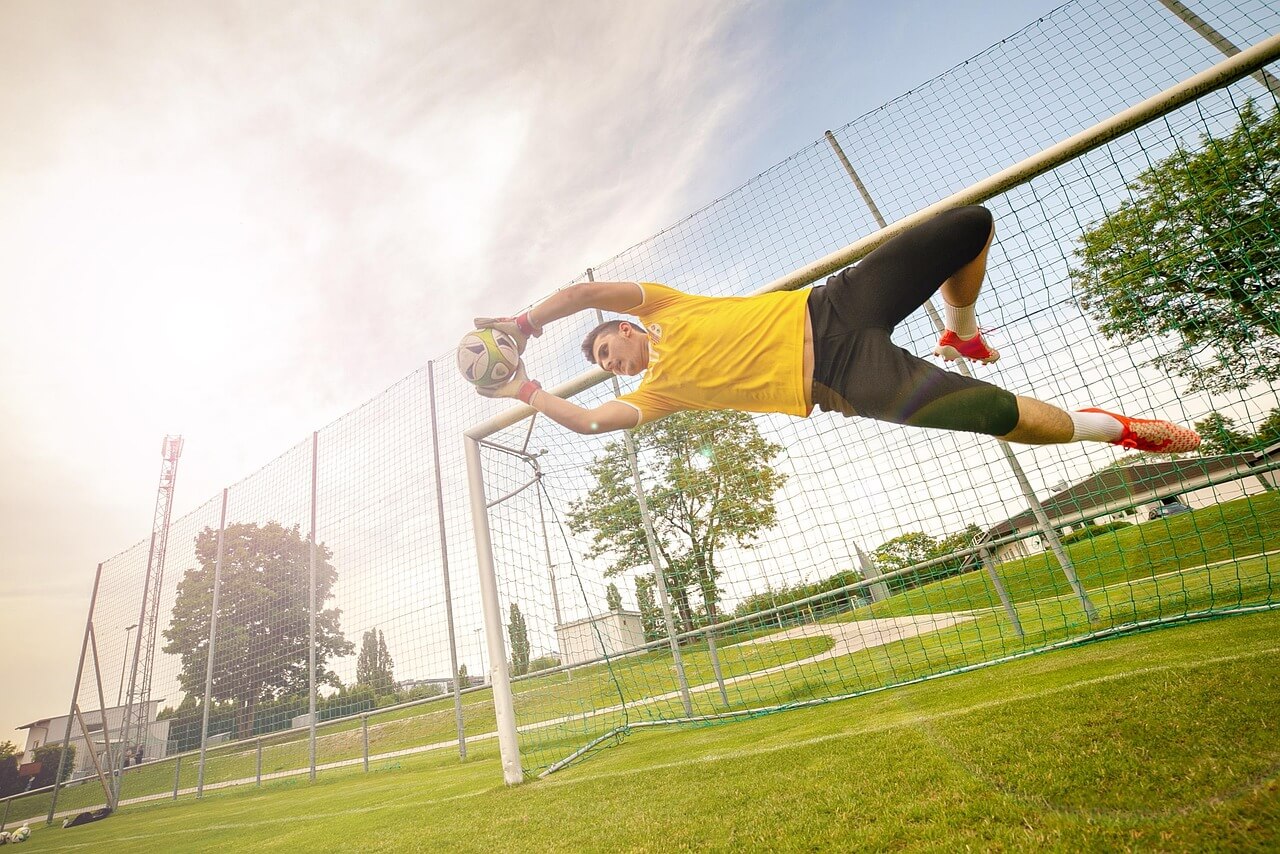
Injury recovery
Coming Back From an Injury: The Mental Side of Rehab
Physical therapy rebuilds the knee, the shoulder, or the ankle. It does not always rebuild the trust to plant, cut, or throw at full speed again. Fear of re-injury, frustration with slow progress, and feeling left out while the team keeps going are some of the most common reasons athletes stall late in rehab, even when the body is ready.
Sport psychology works alongside your physical therapist, not instead of them. Together we use goal setting that matches your rehab phases, imagery to rehearse movements before you do them, and practical ways to manage the anxiety that comes with the first full-speed practice back. Just as important, we make room for the grief and identity questions that come with time away from your sport, so you return feeling like yourself and not just cleared to play.
How it works
How Sport Psychology Sessions Work
1
Reach Out
Request an appointment and tell us a little about your sport or performance goals.
2
First Session
Talk through your goals, your history, and what tends to get in the way under pressure.
3
Your Mental Skills Plan
Get specific tools for practice and competition, from routines to self-talk and imagery.
4
Practice & Adjust
Try the skills in real settings, then review what worked and refine them together.
What Results Can You Expect From Sport Psychology?
Here is the honest version. Mental skills work like physical ones: they improve with repetition, not with a single conversation. Many athletes notice a difference in how they handle pressure within a few sessions, usually because they finally have a plan for the moments that used to derail them. Lasting change, like steadier confidence across a whole season, takes practice between sessions and some patience.
What you can count on is a clear plan, tools you can test at practice this week, and a clinician who adjusts the plan based on what actually happens in competition. What we will not promise is a specific result on the scoreboard. Our goal is for you to perform closer to your ability more often, and to enjoy your sport again while you do it.
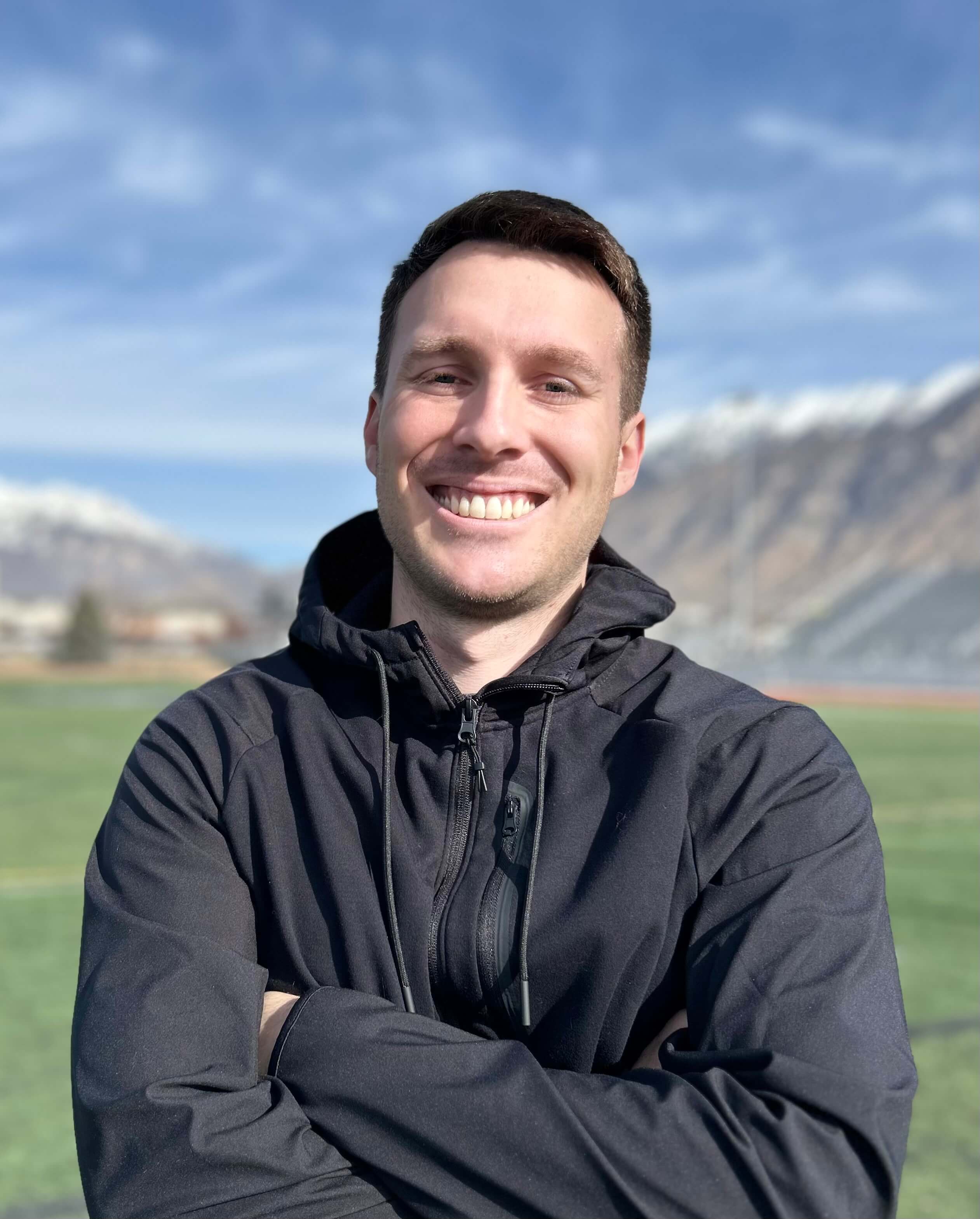
Meet your clinician
Hayden Allen, ACMHC
With a background in both sport psychology and clinical mental health, Hayden works with athletes, teens, and adults on performance pressure, anxiety, grief, and trauma. He uses evidence-based approaches like CBT, ACT, and Motivational Interviewing to build mental strength and emotional resilience.
Whether you are working toward your next season or working through a hard one, Hayden offers a collaborative, strengths-based space to reconnect with your values and move forward with purpose.
Questions
FAQs About Sport & Performance Psychology
-
Is sport and performance psychology just for athletes?No. While athletes often benefit from performance psychology, it’s helpful for anyone who performs under pressure. This includes performers, professionals, students, parents, leaders, and creatives. If you’re navigating high expectations, stress, self-doubt, or big moments where you want to show up at your best, performance psychology can help.
-
How is performance psychology different from regular therapy?Performance psychology focuses specifically on how your mind impacts how you show up, especially in high-pressure situations. While it can overlap with traditional therapy, it often includes practical tools for mindset, mental skills training, and performance consistency, alongside emotional support when needed.
-
Do you only work on performance, or also mental health?We do both. At Cascade Counseling, performance psychology is not about ignoring mental health. Emotional well-being, values, relationships, and balance all play a role in sustainable performance. We take a whole-person approach so growth is healthy, not just productive.
-
Is performance psychology about pushing harder or being tougher?
No. Performance psychology is not about forcing yourself to “power through.” It’s about learning how to work with your mind instead of against it, developing flexibility, self-awareness, and confidence so performance feels more sustainable and aligned with who you are.
-
What if I don’t have a specific performance goal?That’s okay. Some people come in feeling stuck, disconnected, or unsure of what they want next. Performance psychology can help clarify values, rebuild motivation, and create direction, even before a specific goal is defined.
-
What does sport and performance psychology help with?Sport and performance psychology helps people improve focus, confidence, emotional regulation, resilience, and consistency. It can support challenges like performance anxiety, burnout, fear of failure, perfectionism, recovery from setbacks, and difficulty staying present during important moments.
-
Is sport psychology the same as sports therapy or physical therapy?No. Sports therapy and physical therapy treat the body: injuries, mobility, and strength. Sport psychology works on the mental side of performance, like confidence, focus, pressure, and motivation. Many athletes use both, especially when coming back from an injury.
-
What is mental toughness training?Mental toughness training builds the skills to stay composed and committed when things get hard: resetting after mistakes, managing nerves, and keeping your attention on what you can control. At Cascade Counseling we teach it in a way that protects your well-being instead of pushing through at any cost.
-
Does insurance cover sport psychology?It depends on your plan and on what you are working on. Sessions that address anxiety, depression, or another mental health concern are often billed like other therapy, while pure performance work may not be covered. Select clinicians at Cascade Counseling accept Cigna and Aetna, so contact us and we will help you check your benefits before your first appointment.
-
How many sport psychology sessions will I need?Many athletes start with weekly sessions for the first month or two, then space them out as the skills take hold. Some come for a short block before a season or a big event, while others keep regular check-ins through the year. We will talk about a plan that fits your goals and schedule in the first session.
-
Do you work with teen and youth athletes?Yes. Hayden works with teens as well as adults, and sessions for younger athletes focus on practical tools for nerves, focus, and confidence. Parents are welcome to be part of the conversation about how to support their athlete.
-
What is the difference between a sport psychologist and a counselor who does sport psychology?A licensed sport psychologist has a doctorate and a psychologist license. A licensed mental health counselor trained in sport and performance psychology, like Hayden Allen, ACMHC, can teach mental skills and also treat anxiety, depression, grief, or trauma. Both can help with performance; the right fit depends on what you need.
Ready to Train the Mental Side of Your Game?
Take the first step toward more confidence, focus, and consistency. Our Provo office is here to help.