

Depression therapy · Orem, Provo & Logan
Therapy for Depression
in Orem, Provo & Logan, Utah
When everything feels heavy, you do not have to find the way out alone. Licensed therapists who help you get your energy, connection, and hope back.
Is this for you?
Therapy for Depression Is For You If You…
- Feel weighed down by constant sadness and hopelessness
- Struggle with lack of motivation and exhaustion from simple tasks
- Withdraw from people and activities you once enjoyed
- Experience isolation and difficulty staying connected to what matters
- Find it hard to function and maintain daily responsibilities
- Feel like hope is out of reach and joy has faded
- Need support to navigate difficult emotions and regain balance
- Want to create a space where hope and healing can become reality


Understanding depression
What Is Depression Therapy?
Quick answer
Depression therapy is talk therapy with a licensed clinician that treats the low mood, exhaustion, and hopelessness of depression, and builds the skills and support that help you feel like yourself again.
Common signs of depression
- Sadness, emptiness, or numbness most days
- Losing interest in things you used to enjoy
- Sleeping much more or much less than usual
- Low energy, even after rest
- Trouble concentrating or making decisions
- Feeling worthless, guilty, or like a burden
Depression is not a character flaw or something you can simply think your way out of. It is one of the most common and most treatable mental health conditions, and most people improve with the right support.
8.3%
of U.S. adults had at least one major depressive episode in 2021, about 21 million people
20.1%
of U.S. teens ages 12 to 17 had a major depressive episode in 2021
988
Call or text 988, any time, if you are thinking about suicide or are in crisis. It is free and confidential.
Source: National Institute of Mental Health (NIMH), Major Depression statistics, 2021 data. 988 Suicide & Crisis Lifeline.
What we treat
Types of Depression We Help With
Depression does not look the same for everyone. These are the forms we see most often in our Orem, Provo, and Logan offices.
Major Depression
Long-Term, Low-Grade Depression
Postpartum Depression
Seasonal Depression
Depression With Anxiety
Depression After Loss or Trauma
When to reach out
Is It Sadness or Depression?
Everyone has hard days. These differences can help you tell when it is time to talk to someone.
A rough patch usually…
- Lifts within days or a couple of weeks
- Has a clear cause and eases as things change
- Leaves room for moments of enjoyment
- Lets you keep up with work, school, and people
Depression often…
- Lasts two weeks or more, most of the day
- Stays even when life looks “fine” from the outside
- Takes the enjoyment out of almost everything
- Makes daily tasks and relationships feel too heavy
If the right-hand list sounds familiar, you do not need to wait until it gets worse. Reaching out early usually means feeling better sooner.
Feeling weighed down by sadness, hopelessness, or lack of motivation?
Recommended Therapist for Depression
Orem, Utah Therapists

Joel Wallis, LCSW

Emily Haglund, CMHC-I

Sarah Warner, LCSW

Tiffany Russell, LMFT

Jen Paschall, MFT

Brittany Reynolds, LMFT, CAA-ADHD

Kat Willardsen, CSW

Jeannie Streadbeck, MFT-I

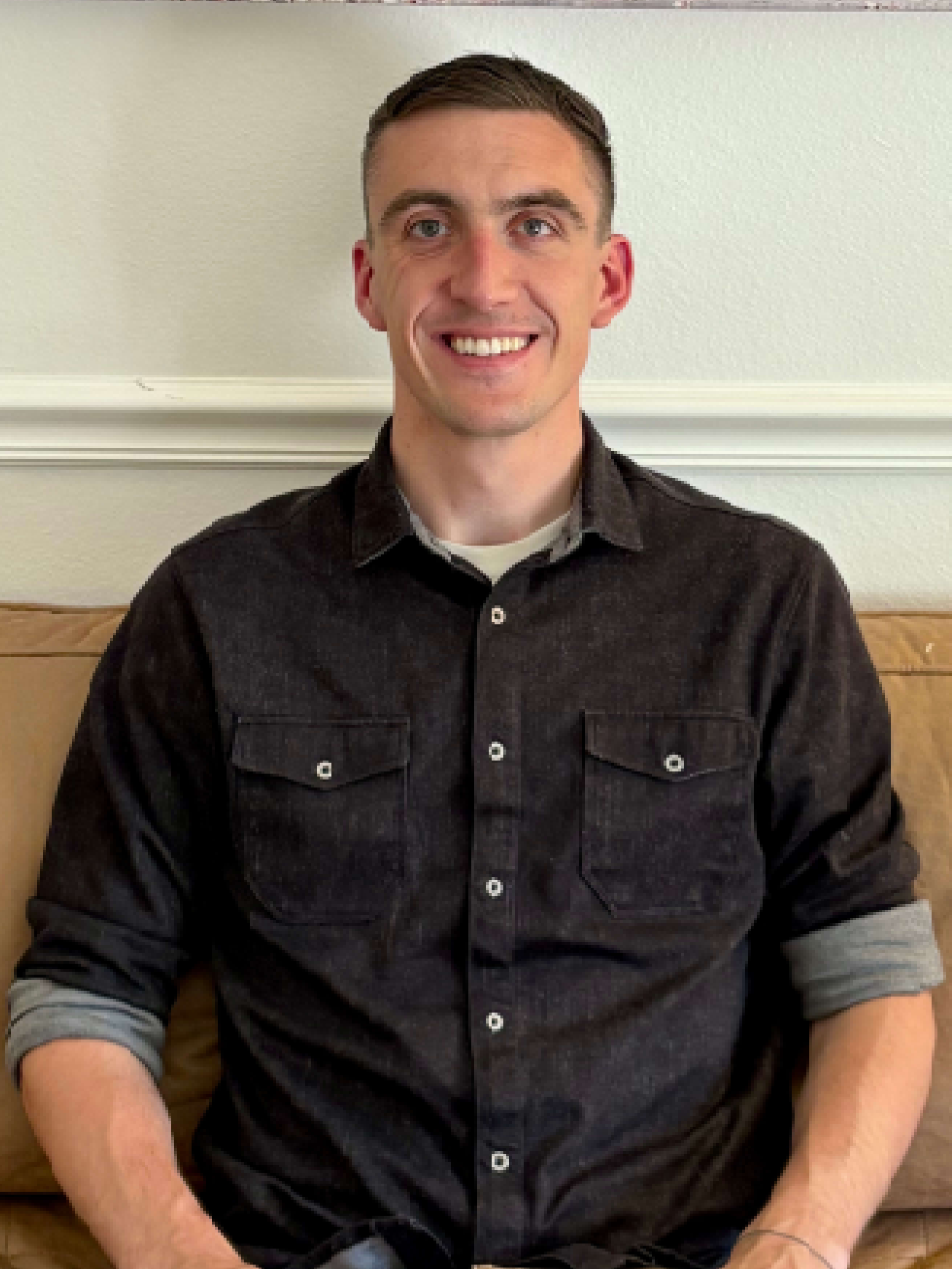
Provo, Utah Therapists

Hayden Allen, ACMHC

Jeremiah VanDyke, CMHC

Kylee Hales, CSW

Noah Weber, CSW


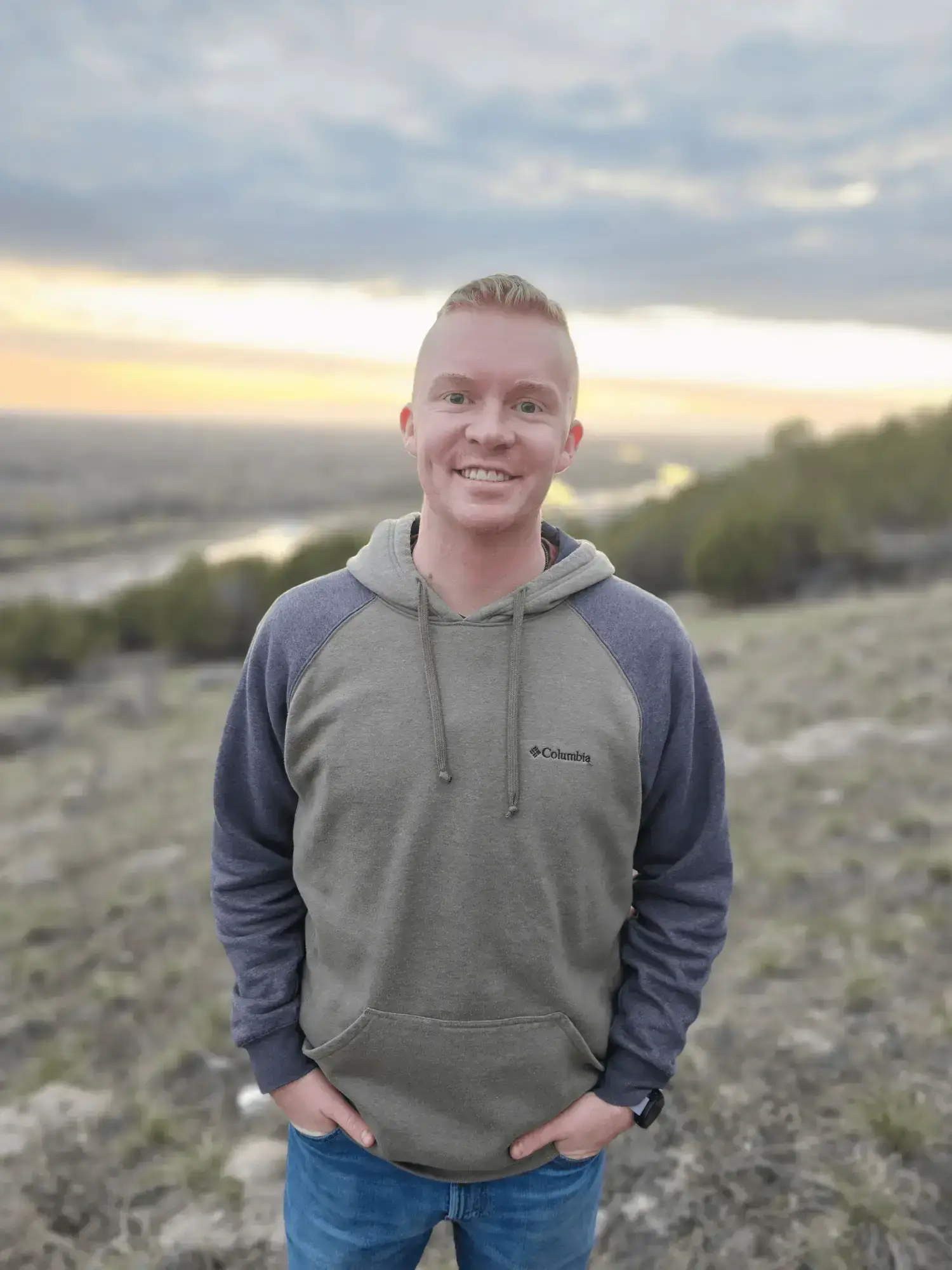
Logan, Utah Therapists

Nathan Tubbs, LCSW

Katie Funk, CSW

Sarah Reynolds, LCSW, CCTP-1

Jackie Petersen, CSW

How we help
Evidence-Based Treatment for Depression
Cognitive Behavioral Therapy (CBT)
CBT helps you notice the harsh, all-or-nothing thoughts that keep depression going and practice more balanced ways of seeing yourself and your situation.
Behavioral activation
Depression tells you to wait until you feel motivated. Behavioral activation flips that: small, planned steps back into meaningful activity that rebuild energy and mood over time.
Acceptance and Commitment Therapy (ACT)
ACT helps you make room for painful feelings without letting them run your life, and reconnect with what matters to you. Read more about our approaches to therapy.
EMDR and trauma-informed care
When depression is rooted in past pain, EMDR therapy can help those memories lose their hold.
Therapy and medication, together
Therapy alone helps many people. For some, therapy combined with medication works best. Through our partnership with Etherios, a psychiatric clinic in Orem, clients can access integrated mental health care, including medication management, while continuing therapy with us.

Your first steps
What to Expect When You Start
- First session: we talk about what you are going through, how long it has been this way, and what you want to feel different.
- A plan that fits you: approaches chosen for your symptoms, history, and goals, not a one-size-fits-all program.
- Small, steady steps: practical tools to use between sessions, at a pace that respects how tired depression makes you.
- Regular check-ins: we look at what is helping and adjust together, so you can see your progress.
Many people start to feel some relief within the first months of consistent therapy. Healing is rarely a straight line, and that is okay.
Worried about someone you love?
Depression affects the whole family. If your partner, teen, or parent is struggling, we can help you understand what they are going through and how to support them without burning out. We also offer therapy for teens and couples therapy.
Questions
FAQs About Depression Therapy
-
Can therapy help depression without medication?Yes. For many people, especially with mild to moderate depression, therapy on its own is effective. For more severe or long-lasting depression, therapy combined with medication often works best, and we can help you access medication management through our integrated care partner in Orem.
-
How long does depression therapy take?It depends on what you are dealing with and how long it has been going on. Many people notice some relief within the first months of consistent sessions, and we review progress with you regularly so you are never in therapy longer than it is helping.
-
How do I know if it is depression or just sadness?Sadness usually eases within days or a couple of weeks. Depression lasts two weeks or more, shows up most of the day, and makes it hard to enjoy things or keep up with daily life. If you are not sure, a first session is a good place to talk it through.
-
Do you treat depression in teens?Yes. Depression is common in teens and can look like irritability, pulling away from friends, or slipping grades rather than sadness. Our therapists work with teens and their parents. Learn more about our therapy for teens.
-
What should I do if I am in crisis?If you are thinking about suicide or are in immediate danger, call or text 988 to reach the 988 Suicide and Crisis Lifeline, or call 911. Therapy is for ongoing support; in a crisis, get help right away.
-
Where do you offer depression therapy?We offer depression therapy at our Orem, Provo, and Logan, Utah offices. You can see the recommended therapists for each location on this page.
What You Can Expect
A stronger relationship with yourself, your emotions, and your values.