

Have you ever noticed that no matter how many compliments you may get, one criticism can make you feel like you are not good enough? That one small comment can outweigh everything else and leave you questioning yourself.
As humans, most of us will have moments where we care about what other people think. That is normal. We are wired for connection. But when your self-worth becomes dependent on others’ opinions, it can start to feel exhausting. You may find yourself constantly evaluating how you are perceived, adjusting yourself to fit expectations, and losing touch with who you really are.
Over time, this can lead to anxiety, self-doubt, and emotional burnout. The good news is that self-worth is something you can build from within. It is not fixed, and it is not something you have to keep earning.
Why Self-Worth Can Often Feel Dependent on Others
As humans, the need to feel seen, accepted, and connected is vital. If we look at human behavior over time, being part of a group often meant safety and belonging. It makes sense that our brains still respond strongly to acceptance and rejection.
Our early experiences can play a big role in shaping this. If you grew up in an environment with conditional love, high expectations, or frequent criticism, you may have learned—without even realizing it—to measure your worth based on how others responded to you. Praise may have felt like approval, while mistakes may have felt like failure.
As you get older, this pattern can continue. Social media can make it even stronger. Constant comparison, likes, and external feedback can create a cycle where your sense of value rises and falls depending on how others respond to you.

What Is Self-Worth, Really?
Self-worth is your internal sense of value.
It is the belief that you matter. It is knowing that you are enough, even when things don’t go perfectly. It is understanding that your value does not disappear when you make a mistake, experience rejection, or fall short of expectations.
Healthy self-worth sounds like:
- “I can be imperfect and still be worthy.”
- “Someone not choosing me does not mean I am unlovable.”
- “I do not need to earn my worth.”
- “Other people can misunderstand me without that changing who I am.”
It is not about thinking you are better than others. It is about recognizing that your value is not up for debate.
Signs of Self-Worth Being Driven by External Factors
Before making changes, it helps to recognize how this shows up in your life. Many people don’t realize how much their self-worth is tied to outside validation until they slow down and look at patterns.
You might notice:
- You feel confident after praise but deeply discouraged after criticism
- You often people-please or avoid conflict to feel accepted
- You constantly compare yourself to others
- You worry about what others think before making decisions
- You avoid taking risks because you fear judgment or failure
If any of these resonate, you are not alone. These patterns are common, and they can be unlearned over time.

How to Build Internal Self-Worth
Once you become aware of these patterns, you can start to shift them. Building self-worth is not about flipping a switch. It happens in small, consistent moments where you begin to relate to yourself differently.
1. Identify What Your Core Beliefs Are
Take time to write down the beliefs you hold about yourself. Are they supportive, or are they critical? Many of these beliefs were learned early and repeated often. Awareness gives you the opportunity to question them instead of automatically believing them.
2. Separate Your Worth from Performance
Your value is not based on what you achieve, how productive you are, or how others respond to you. You are worthy simply because you exist. This can feel unfamiliar at first, especially if you are used to tying your value to outcomes.
3. Practice Self-Compassion
Self-compassion means allowing yourself to be human. It is making space for mistakes, emotions, and growth without harsh judgment. Instead of asking, “What is wrong with me?” try asking, “What do I need right now?”
4. Set Personal Standards, Not External Ones
Focus on your own values instead of trying to meet everyone else’s expectations. When your decisions are guided by what matters to you, you begin to build a more stable sense of self.
5. Notice Your Triggers
Pay attention to situations where you feel the urge to seek validation. Is it after posting online? During conversations? At work? Awareness gives you the chance to pause and choose a different response.
6. Take Small Independent Actions
Start making small choices based on what feels right for you. It might be sharing your opinion, setting a boundary, or trying something new. Each small step helps reinforce that you can trust yourself.
Daily Practices to Strengthen Inner Self-Worth
Building self-worth takes ongoing practice. Small daily shifts can make a meaningful difference over time.
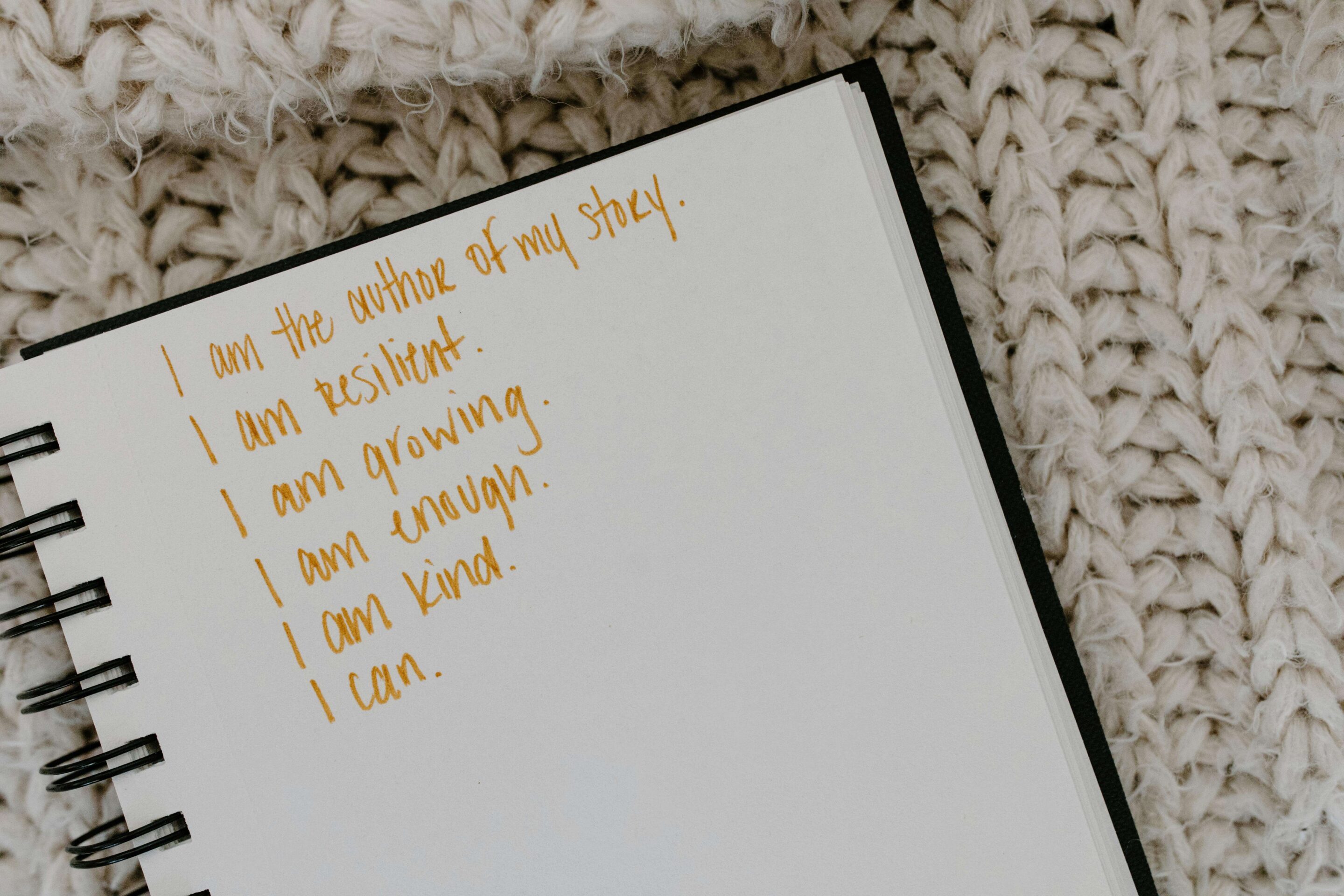
- Use affirmations or reminders that reinforce your inherent value
- Celebrate small wins for yourself, not just the ones others notice
- Limit time spent comparing yourself, especially on social media
- Practice mindfulness or grounding exercises to stay connected to your own experience
- Remind yourself that your worth does not change based on someone else’s opinion
- Notice moments when you seek validation, pause, and ask: “What would I do if no one were watching?”
These moments may seem small, but they add up. Over time, they help shift your focus from external approval to internal trust.
Start Rebuilding Your Self-Worth Today
Your worth is not something that other people get to decide. It comes from how you see yourself, how you treat yourself, and how you choose to show up in your own life.
If this way of thinking feels unfamiliar, that is okay. Building self-worth is a process, and it often happens slowly. It shows up in the small moments when you choose to give yourself grace, when you pause instead of criticizing yourself, and when you start listening to your own voice a little more.
You do not have to get it perfect. You just have to keep coming back to the idea that you are enough, even as you grow.
If you are wanting support as you work on building your self-worth, therapy can be a helpful place to start. At Cascade Counseling, we offer a safe, supportive space to help you reconnect with what matters most and feel more grounded in who you are.
Reach out today to get connected with a therapist or schedule a free 15-minute consultation.