

When thinking about women’s mental health, it can be easy to focus on the experiences we commonly associate with women: pregnancy, postpartum adjustment, motherhood, infertility, perimenopause, menopause, relationships, and the many transitions that can accompany these experiences. These are important parts of the conversation.
However, I have found myself increasingly interested in what happens when we become too comfortable with these explanations.
Women may hear, “That’s just hormones,” or “That’s normal for menopause,” or “Of course you’re emotional—you just had a baby.”
While these statements may be intended to normalize an experience, they can also unintentionally minimize it. An experience can be common, biological, or expected and still be difficult. Something being “normal” does not mean it is insignificant.
This does not mean that biological factors should be removed from conversations about women’s mental health. Hormones, reproductive health, medical conditions, sleep, lifestyle, and other physical factors can meaningfully influence mental health.
Rather, these factors should be considered as part of a larger picture. No single explanation is likely to capture the entirety of a person’s experience.
Looking at the Whole Person
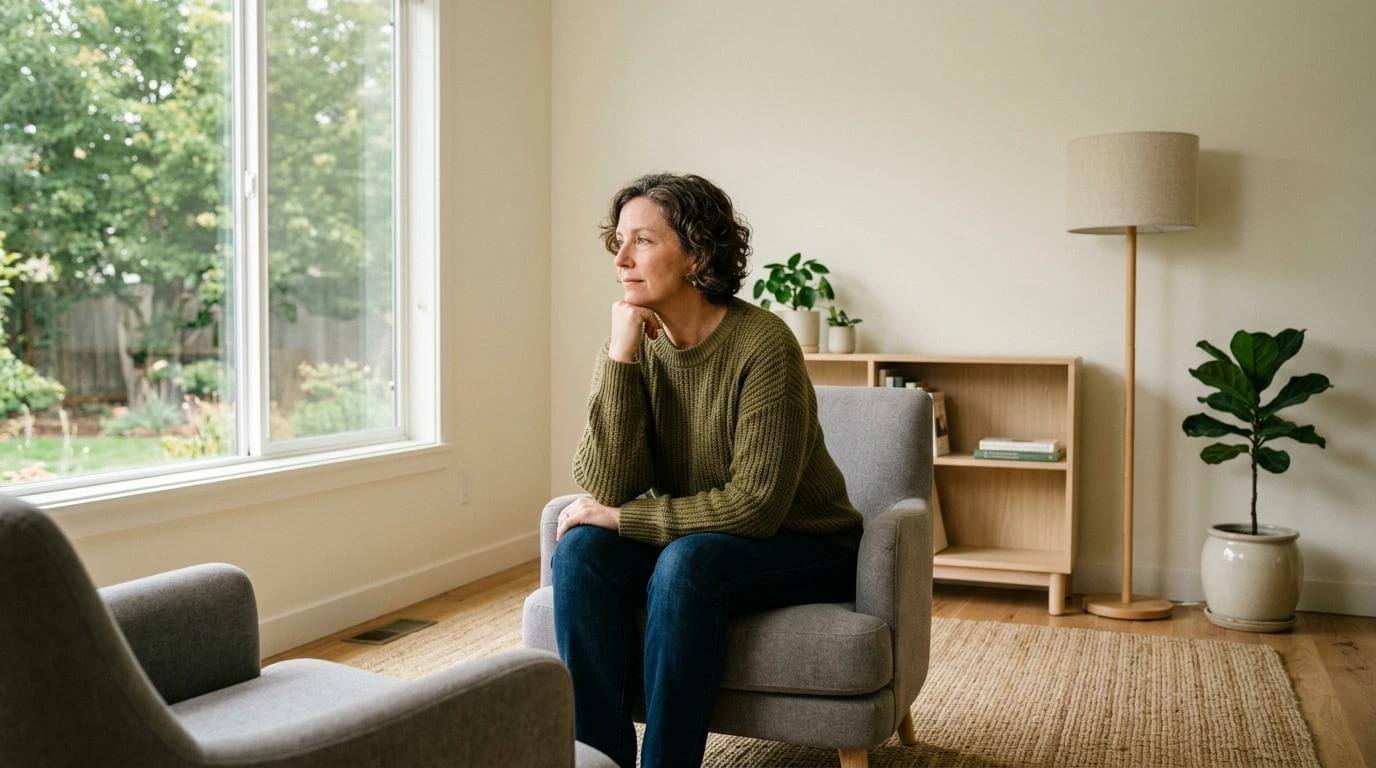
Women’s mental health requires us to consider the whole person. Holistic care means looking beyond presenting symptoms and becoming curious about what has shaped a woman’s life.
Her medical and mental health history matter. Her relationships, environment, culture, experiences, trauma history, and current circumstances matter. So does the way she understands herself within all of those things.
Identity is an especially important part of this conversation. Identity is not simply a collection of roles we hold. It also includes the ways we understand ourselves, other people, and the world around us.
We often recognize identity shifts when someone becomes a mother, but significant shifts can happen in many other circumstances as well. Infertility, relationship struggles, loss, trauma, sexual experiences, illness, aging, and other significant life events can all change the way someone understands herself and the world around her.
When providers focus only on the presenting problem, we can miss these larger pieces.
A woman may come to therapy because she is experiencing anxiety, depression, relationship difficulties, or another specific concern, but that does not mean the concern exists in isolation from everything else she has experienced.
I have also noticed how quickly we, as humans, want to find a reason for why we are struggling. We want an explanation that makes the experience understandable: It’s my hormones. It’s postpartum. It’s my trauma. It’s my anxiety.
Explanations can be helpful, and diagnoses can provide access to meaningful treatment and support. However, I wonder what might happen if we became a little less focused on finding the reason and a little more focused on understanding the experience.
Curiosity can lead us somewhere different.
What has this experience been like for her? What meaning does she make of it? How has it affected the way she sees herself, her relationships, or her future? What does she want help with? What does she need from us?
These questions allow the woman in front of us to be part of understanding what is happening rather than having an explanation placed on her.
Believing Without Assuming
Believing women is part of this process. Women have experienced their concerns being minimized, including concerns related to physical health, mental health, relationships, and sexual experiences.
Sometimes that minimization sounds like, “It’s just hormones,” or “That’s what you should expect,” but it can take many forms. When a woman’s experience is quickly explained away, there may be little room left to understand it.
At the same time, believing someone does not mean abandoning curiosity. I think the two can exist together.
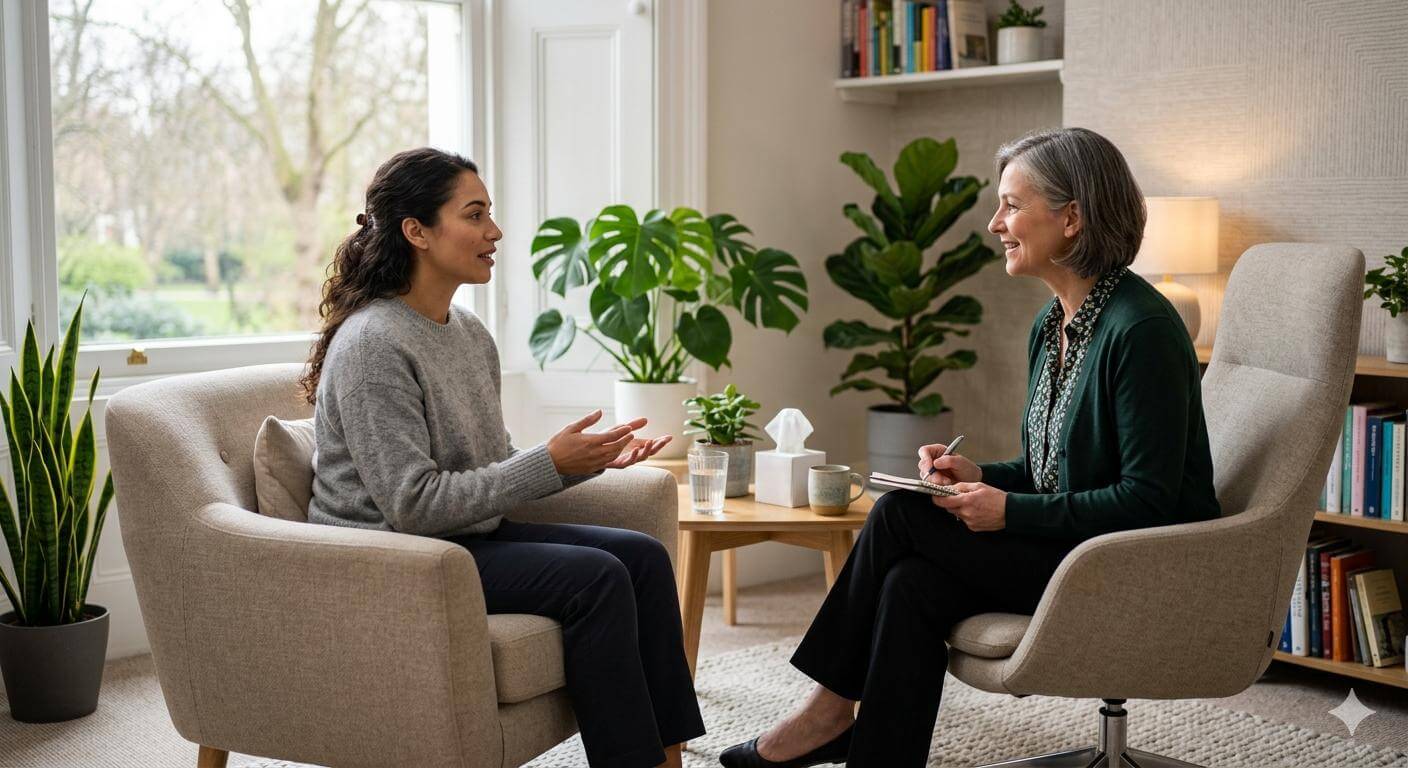
We can take someone’s experience seriously while still asking thoughtful questions. We can believe that an experience has affected someone without assuming that we already understand exactly how or why.
Women carry many expectations about who they are supposed to be. Yet women do not have to be one thing.
A woman can be kind and firm, a mother and still desire solitude, emotional and incredibly resilient. We all have “shoulds” that can become mental rules, but human beings are not fixed.
Perhaps part of our work is creating space for women to explore their experiences without requiring them to fit neatly into an expectation, role, or explanation.
Making Space
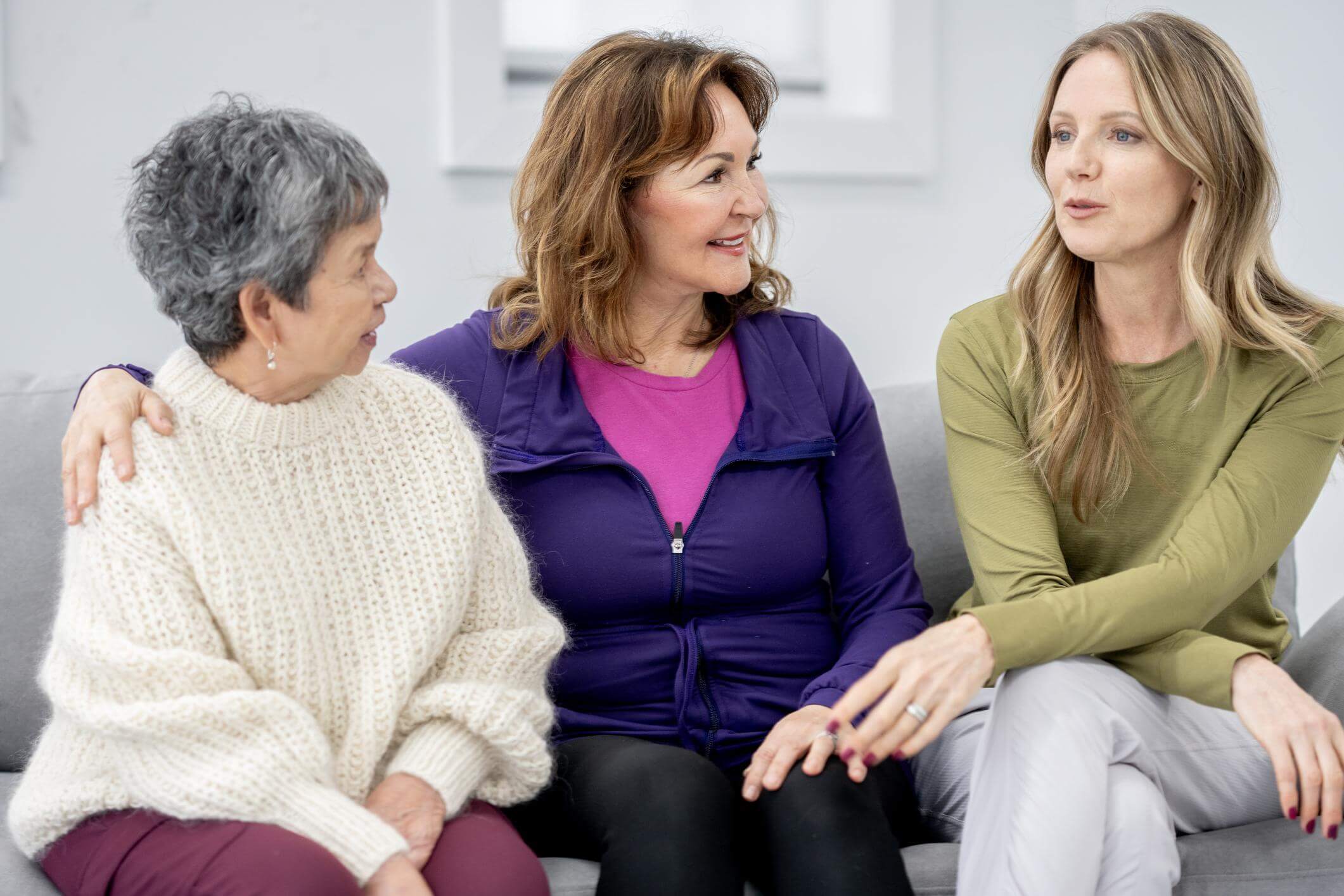
Ultimately, women’s mental health is still about human beings. Women, like any other human beings, want to be heard, seen, and understood.
As providers, we are placed in influential positions where we can create space for women to take up space, or we can unintentionally contribute to them minimizing their own experiences.
I do not think our role is to fix women. I do not believe people are broken and therefore in need of fixing. Diagnosis can be useful and can help connect someone with appropriate treatment, but it does not tell us everything about a person.
Perhaps our role is to approach women with enough curiosity to understand the person beyond the presenting problem.
To make room for biology without reducing someone to it, to acknowledge trauma without defining someone by it, and to recognize identity without assuming there is one way a woman is supposed to be.
Women do not have to fit neatly into a diagnosis, a role, a life stage, or an expectation. They are human beings who are continually growing and changing.
Sometimes, good care begins simply by making enough room for them to be heard, seen, and understood.

You Deserve to Feel Heard, Seen, and Understood
Your experiences matter, and you deserve a space where you can explore them without judgment or assumptions. At Cascade Counseling, we believe therapy should focus on understanding you as a whole person, not just your symptoms or circumstances.
Ready to take the next step? Connect with Cascade Counseling to explore how therapy can support your mental health and well-being.