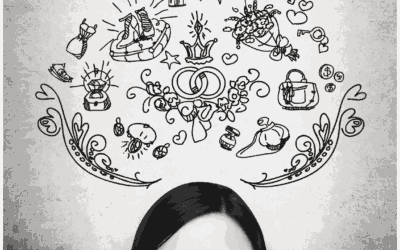

“I should be further along by now.”
“I should be more productive.”
“I shouldn’t feel this way.”
If you slow down and listen to your thoughts for a day, you might notice how often the word should shows up. It sounds responsible. Motivated. Disciplined. But beneath the surface, “should” often carries pressure, guilt, and self-judgment.
Not all “should” statements are harmful. Sometimes they reflect healthy goals or values. The problem arises when they become harsh, inflexible rules we use to measure our worth. Over time, these internal rules can chip away at our confidence, increase anxiety, and deepen feelings of shame.
Many unhealthy “should” statements share four qualities: they are rigid, introjected, unrealistic, and life-restricting. The good news? Each of these has a healthier alternative.

Let’s break it down.
1. Rigid vs. Flexible
Unhealthy “shoulds” are rigid. They leave no room for context, mistakes, or being human.
“I should always be strong.”
“I should never mess up.”
“I should be able to handle this on my own.”
Rigid thinking turns preferences into absolute rules. But life isn’t absolute. We get tired. We make mistakes. We need help sometimes.
When our internal standards are inflexible, any deviation feels like failure. This can fuel anxiety (“What if I don’t measure up?”) and depression (“I never measure up.”).
Healthy alternative: Flexibility.
Instead of “I should never make mistakes,” try, “I want to do well, but mistakes are part of learning.” Flexibility allows high standards without self-punishment. It makes space for growth instead of perfection.
2. Introjected vs. Authentically Chosen
Some “shoulds” don’t even belong to us. They are introjected, meaning we absorbed them from family, culture, social media, or society without really questioning them.
“I should be married by now.”
“I should want this promotion.”
“I should have it all figured out.”
When we live by rules we never consciously chose, we can end up chasing goals that don’t actually align with who we are. Even if we achieve them, we may still feel unfulfilled.
Living according to someone else’s “should” creates pressure and disconnect. It can lead to burnout, resentment, or a constant sense of not quite fitting into your own life.
Healthy alternative: Authentically chosen values.
Ask yourself: Do I truly want this?
When goals come from your own values rather than outside pressure, motivation feels different. It feels meaningful, not heavy.
3. Unrealistic vs. Realistic and Compassionate
Many “should” statements are simply unrealistic.
“I should be productive all the time.”
“I shouldn’t feel anxious.”
“I should be over this by now.”
“I should handle this better.”
These expectations ignore the fact that we are human. We have limits. We have emotions. We heal at different speeds.
When we expect ourselves to function like machines, normal experiences start to feel like personal failures. Feeling sad becomes weakness. Feeling overwhelmed becomes incompetence. Needing rest becomes laziness.
That’s when shame creeps in—not just because we’re struggling, but because we believe we shouldn’t be.
Healthy alternative: Realistic, compassionate expectations.
Instead of “I shouldn’t feel this way,” try, “It makes sense that I feel this way right now.”
Instead of “I should be over this,” try, “Healing takes time.”
Compassion doesn’t mean lowering standards. It means recognizing reality and responding with understanding rather than criticism.

4. Life-Restricting vs. Life-Enhancing
Some “shoulds” shrink our lives.
“I shouldn’t try unless I’m sure I’ll succeed.”
“I shouldn’t speak up.”
“I shouldn’t disappoint anyone.”
“I shouldn’t take risks.”
These rules often develop as a way to protect ourselves—from rejection, embarrassment, or failure. But over time, they can keep us stuck. We avoid new opportunities. We silence ourselves. We stay small to feel safe.
While these rules may reduce short-term discomfort, they also limit growth, connection, and confidence.
Healthy alternative: Life-enhancing guidelines.
A healthier shift might be:
“I’m willing to risk making mistakes if it helps me grow.”
“It’s okay if not everyone approves of me.”
“I can try, even if I’m not certain of the outcome.”
Healthy internal guidance expands your world instead of shrinking it.
Why This Matters
The word “should” itself isn’t the enemy. The problem is the tone behind it. When “should” sounds harsh, absolute, and unforgiving, it often signals deeper self-judgment.
Unhealthy “shoulds” are:
Rigid
Borrowed from others
Unrealistic
Life-restricting
Healthy self-guidance is:
Flexible
Personally meaningful
Realistic and compassionate
Life-enhancing
A small language shift can create a big emotional shift. Replacing “I should” with “I’d prefer,” “I want to,” or “I choose to” can reduce shame and increase ownership.

A Simple Practice
For the next few days, notice your “should” statements. When one pops up, pause and ask:
Is this flexible or rigid?
Is this truly my value?
Is this expectation realistic?
Does this rule expand my life or restrict it?
You don’t have to eliminate every “should.” Just start questioning the ones that feel heavy.
Your mental health improves not because you follow more rules, but because you learn which rules actually support the life you want to live.
Call to Action
If you notice that “should” has become a constant voice of pressure, guilt, or self-criticism, you don’t have to untangle it alone. Therapy can help you identify the internal rules you’ve been living by and reshape them into something more flexible, compassionate, and aligned with your values. At Cascade Counseling, we offer free 15-minute consultations to help you explore whether working with one of our therapists feels like a good fit. Reach out today and begin building a healthier relationship with your inner voice.