

The Art of the Present Transforming Your Life Through Mindfulness
In our hyper connected, high velocity world, the human mind often operates like a browser with fifty tabs open. We are frequently physically present but mentally miles away, ruminating on yesterday’s meeting or rehearsing tomorrow’s difficult conversation. This state of continuous partial attention is not just exhausting, it is a significant driver of chronic stress.
Many people describe this exact experience. Feeling busy, overwhelmed, and mentally stretched thin has become the norm, especially for young professionals, parents, and students trying to balance everything at once.
Mindfulness offers a different approach. It is the practice of being fully present, aware of where we are and what we are doing, without becoming overly reactive or overwhelmed by what is going on around us. It is not about emptying the mind, but rather observing it with curiosity and kindness.
For many, this shift can feel unfamiliar at first. But learning to be present is often the first step toward feeling more grounded, calm, and connected in your daily life.
What Is Mindfulness Therapy
Mindfulness therapy is a therapeutic approach that helps individuals become more aware of their thoughts, emotions, and physical sensations without judgment.
At its core, mindfulness therapy teaches you how to:
- Notice your thoughts instead of getting stuck in them.
- Slow down automatic reactions.
- Stay connected to the present moment.
- Respond to stress with more clarity.
Many therapists integrate mindfulness into sessions because it supports clients dealing with anxiety, depression, emotional overwhelm, and burnout.
If you have ever felt like your mind is always racing or that you are stuck in cycles of overthinking, mindfulness therapy can help you create space between your thoughts and your reactions.

The Science of Stillness
The benefits of integrating mindfulness into daily life are supported by a growing body of research, including findings from organizations like the American Psychological Association.
Regular mindfulness practice has been shown to:
- Reduce cortisol levels.
- By shifting the body from the fight or flight response into a more regulated, calm state.
- Improve emotional regulation. It creates a pause between what happens and how you respond, helping you feel less reactive and more in control.
- Strengthen focus and attention. Training your brain to return to the present moment improves concentration, memory, and productivity.
Over time, these changes can help reduce feelings of anxiety and make daily stress feel more manageable.
Moving Beyond the Myth
Many people avoid mindfulness because they believe it requires sitting in silence for long periods of time or clearing their mind completely.
In reality, mindfulness is much more flexible.
It can look like:
- Paying attention to your breath while sitting in traffic.
- Noticing your surroundings while walking into work.
- Being fully present during a conversation instead of thinking ahead.
Meditation is simply one way to practice mindfulness more intentionally. You can think of it as training your attention so that, over time, it becomes easier to stay present in everyday life.

3 Guided Meditation Frameworks to Try
If you’re just getting started, guided practices can make mindfulness feel more approachable. Here are three simple frameworks that can be used at home, at work, or even in moments of stress.
1. The Body Scan (For Grounding and Sleep)
This practice involves slowly bringing awareness to different parts of your body.
Example:
Close your eyes and bring your attention to your feet. Notice the sensation of your heels against the floor. Slowly move your attention upward—through your legs, torso, arms, and shoulders.
Why it helps:
This practice is especially helpful for releasing tension and calming your body before sleep.
2. Loving-Kindness Meditation (For Self-Worth and Connection)
This practice focuses on developing compassion toward yourself and others.
Example:
Silently repeat phrases like:
“May I be calm. May I be safe. May I feel at peace.”
Then extend those same thoughts toward someone you care about—and eventually toward others.
Why it helps:
This can reduce self-criticism and help you feel more connected, especially if you struggle with negative self-talk.
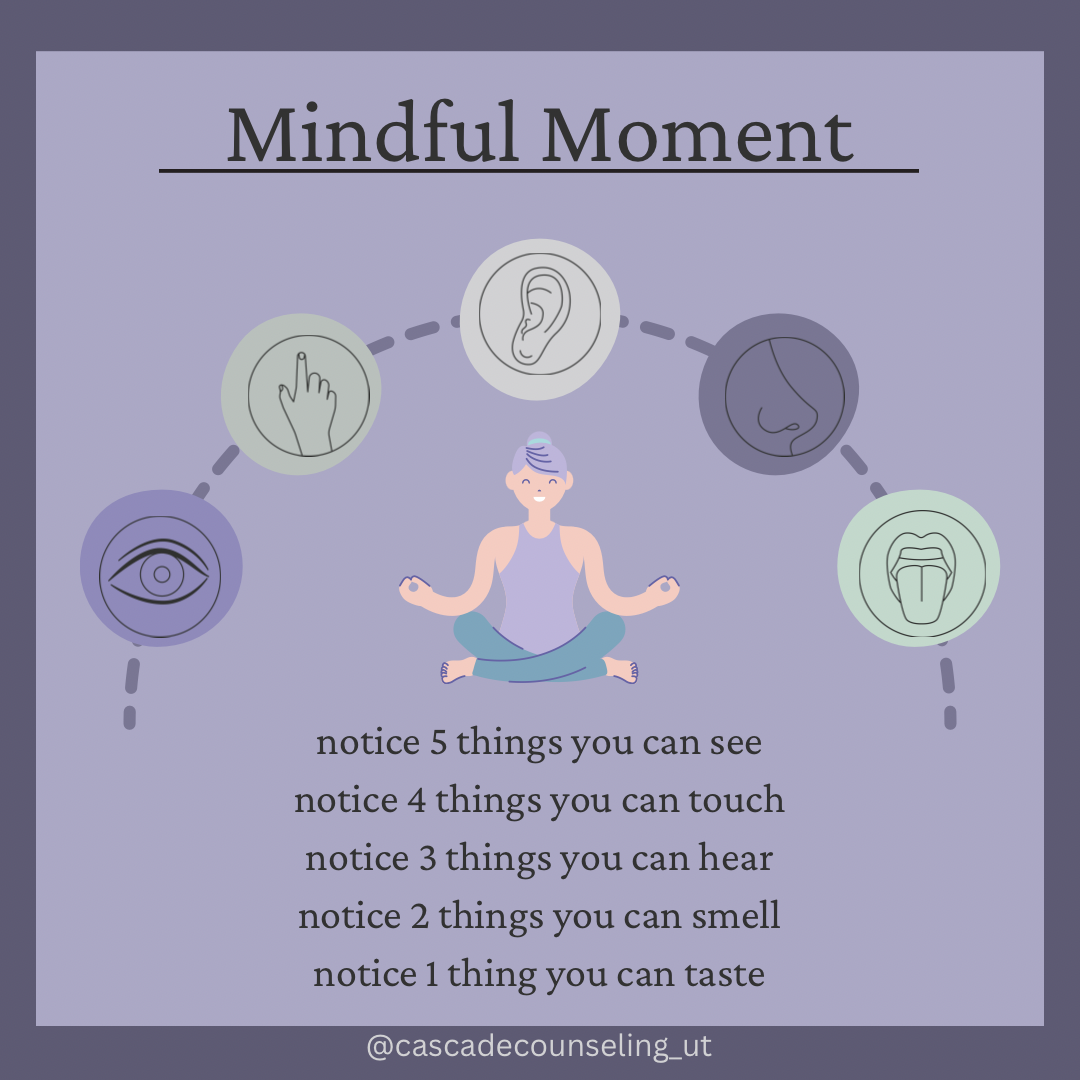
3. The 5-4-3-2-1 Technique (For Anxiety in the Moment)
This is a grounding technique that uses your senses to bring you back to the present.
Example:
- 5 things you can see
- 4 things you can touch
- 3 things you can hear
- 2 things you can smell
- 1 thing you can taste
Why it helps:
It shifts your focus away from anxious thoughts and back into your physical environment.
Integration: Bringing Mindfulness Into Your Daily Life
The most powerful part of mindfulness is that it doesn’t require special tools or a perfect routine.
Even small moments count.
You might start with:
- Taking 3 slow breaths before responding in a conversation
- Pausing before reacting to stress
- Checking in with how you feel throughout the day
Over time, these small moments begin to add up.
Mindfulness doesn’t remove stress or challenges. Instead, it changes how you experience them. You begin to feel less overwhelmed and more steady, even when things around you feel uncertain.
Integration: Bringing Mindfulness Into Your Daily Life
The most powerful part of mindfulness is that it doesn’t require special tools or a perfect routine.
Even small moments count.
You might start with:
- Taking 3 slow breaths before responding in a conversation
- Pausing before reacting to stress
- Checking in with how you feel throughout the day
Over time, these small moments begin to add up.
Mindfulness doesn’t remove stress or challenges. Instead, it changes how you experience them. You begin to feel less overwhelmed and more steady, even when things around you feel uncertain.
When to Consider Therapy for Mindfulness Support
While mindfulness can be practiced on your own, many people find it more helpful with guidance.
You might consider working with a therapist if:
- You feel stuck in cycles of anxiety or overthinking
- You struggle to stay present or feel constantly overwhelmed
- You’ve tried mindfulness before but didn’t know how to apply it
- You want support building emotional awareness and coping skills
At Cascade Counseling, we offer a safe, supportive space to help you learn how to apply mindfulness in a way that fits your life.
If you’re ready to feel more present and less overwhelmed, reaching out can be a helpful first step.