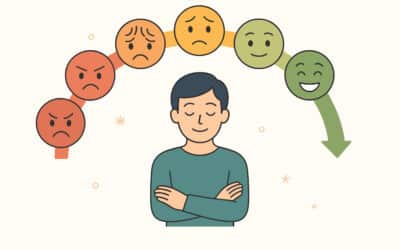

Most people enjoy a little daydreaming. Letting your mind wander can spark creativity, ease stress, and give you a short mental break. But what happens when daydreaming stops being relaxing and starts taking over your daily life?
If you’ve ever asked yourself, “Why do I daydream so much?” or felt stuck in fantasy for hours at a time, you may relate to something called Maladaptive Daydreaming. While not yet a formal mental health diagnosis, this term describes an experience that many people struggle with quietly, often wondering if anyone else understands.
What Is Maladaptive Daydreaming?
Maladaptive Daydreaming (MD) was first described by psychologist Eli Somer in 2002. Unlike ordinary daydreaming, MD involves spending large amounts of time in vivid, detailed fantasies that feel more rewarding than real life.
These daydreams often include complex storylines, characters, or imagined versions of yourself. Some people use music, pacing, or repetitive movements to make the fantasies feel even more real.
While MD can bring comfort, it can also interfere with work, relationships, and daily responsibilities—leaving people feeling both drawn to and trapped by their imagination.
Signs You May Be Experiencing Maladaptive Daydreaming
If you’re wondering whether your daydreaming has become “too much,” here are some common signs:
-
Spending hours at a time daydreaming instead of completing tasks.
-
Creating elaborate inner storylines that feel like movies in your head.
-
Feeling strong emotions during daydreaming—like joy, sadness, or excitement.
-
Struggling to control or stop daydreaming once it starts.
-
Falling behind at work, school, or in relationships.
-
Feeling guilty or secretive about how much time you spend in fantasy.
It’s important to note that Maladaptive Daydreaming is not the same as psychosis. People with MD know their fantasies are not real, but the vividness can make them feel compelling and hard to resist.
Why Do People Daydream Excessively?
Researchers believe MD often develops as a coping mechanism. Fantasy provides comfort, safety, and control when real life feels stressful, lonely, or overwhelming. In some cases, people with a history of trauma or ongoing anxiety may use daydreaming to escape difficult emotions.
The problem arises when the coping strategy starts creating more problems—such as isolation, procrastination, or low self-esteem.
The Impact of Excessive Daydreaming
Living between two worlds—the fantasy and reality—can lead to:
-
Difficulty concentrating on real-life goals.
-
Trouble sleeping due to late-night daydreaming.
-
Strained relationships from withdrawing socially.
-
Feelings of shame or frustration for “wasting time.”
-
Symptoms of depression or anxiety.
This cycle often repeats itself: people turn to daydreaming for comfort, but then feel worse about avoiding reality, which leads them to escape back into fantasy again.
How to Manage Maladaptive Daydreaming
If you relate to excessive daydreaming, here are some practical steps:
-
Increase awareness: Notice when, where, and why you tend to drift into fantasy.
-
Ground yourself: Use mindfulness, deep breathing, or sensory exercises (like focusing on sounds or textures around you) to bring attention back to the present.
-
Set small limits: Try scheduling breaks for healthy daydreaming while making time for real-life priorities.
-
Find creative outlets: Writing, art, or music can channel imagination in a way that feels productive and fulfilling.
-
Seek therapy: A mental health professional can help uncover the emotions driving excessive daydreaming and provide tools to create balance.
Final Thoughts
Imagination is a powerful gift—it can inspire, heal, and bring joy. But when daydreaming becomes excessive and begins to replace living in the present, it may be a sign you need extra support.
If you’ve ever thought, “Why do I daydream so much?” or feel like fantasy is keeping you from fully engaging with your life, know that you are not alone. Talking with a therapist can help you reconnect with reality while still appreciating the creativity and comfort your inner world provides.