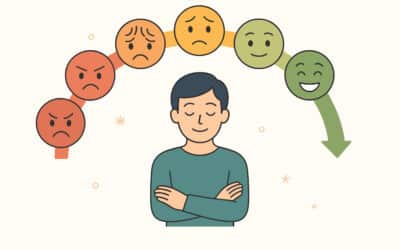

At Cascade Counseling, we believe therapy doesn’t have to be all tears and tension. Yes, we talk about the hard things like anxiety, loss, burnout, and relationships, but healing doesn’t only happen in heavy moments. Sometimes, it shows up in laughter.
“It’s always important to recognize that even though therapy is talking about hard things, it doesn’t always have to be stern or serious. We can laugh, we can have fun, we can joke.”
Joel Wallis, founder and therapist at Cascade Counseling
There’s something powerful about being able to smile in the middle of your story. In this post, we’ll talk about why laughter belongs in healing, how it shows up in therapy, and why letting yourself laugh, even in hard seasons, can actually help you grow.
Why Laughter Belongs in Healing
When life feels heavy with work stress, relationship tension, or parenting exhaustion, it can feel almost wrong to laugh. But laughter doesn’t erase pain. It helps you carry it differently.
Research shows laughter can reduce stress hormones and release endorphins, helping your body relax and your mind feel lighter. It can soothe tension and improve mood, while strengthening connection and resilience.
According to Harvard Health, laughter isn’t just emotional relief. It’s also linked to measurable physical benefits, from lower blood pressure to stronger immune function.
Laughter isn’t the opposite of pain; it’s a companion to it. It gives our bodies a moment of ease and reminds us that healing doesn’t have to mean shutting out joy.
What Laughter Looks Like in Therapy
Therapy is real life; it’s not scripted. That means humor finds its way in naturally. A small laugh after saying something hard. A shared smile over the absurdity of being human. These moments aren’t distractions. They’re part of healing.
Here’s how laughter often shows up in sessions:
It helps you feel safe
When you laugh, even briefly, it’s your body saying, “I’m okay here.” It softens walls and opens space for honesty.
It releases pressure
Therapy can be intense. Laughter lets your body exhale, making it easier to keep going when the conversation feels heavy.
It builds connection
When you share a laugh with your therapist, it reminds you that you’re two people, human to human, not “patient and professional.” That connection is what makes therapy work.
It creates balance
Healing is serious work, but it doesn’t have to feel serious every second. Humor gives you permission to exist in both light and dark spaces at the same time, and that’s where real resilience grows.
What to Expect at Cascade Counseling
When you meet with one of our therapists, you’ll find warmth, curiosity, and honesty. We don’t force laughter or downplay pain, but we welcome the full range of human experience.
We work with individuals and couples navigating:
-
Anxiety, depression, and burnout
-
Relationship and marriage challenges
-
Parenting stress and family changes
-
Grief, loss, or life transitions
-
Faith or identity questions
-
Out-of-control sexual behaviors or compulsions
Our approach is simple: real conversations, genuine connection, and space for whatever shows up that day. If you laugh, cry, sit in silence, or do all three in one session, you’re doing therapy right.
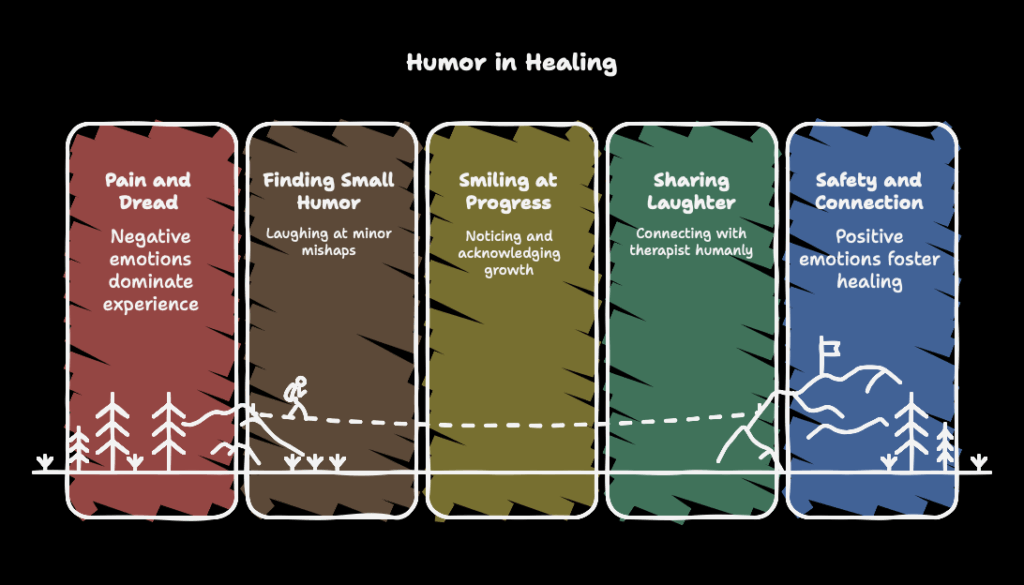
How Humor Helps Healing
Laughter can shift the way we relate to pain and progress. Here are a few ways it shows up in the healing process:
-
When you laugh about something small that went wrong
It’s a sign you’re starting to feel safe again. That safety builds trust and connection in therapy. -
When you smile at your own progress
You’re noticing growth, something that strengthens your sense of self-compassion. -
When you find humor in something you used to dread
You’re beginning to see change. Humor helps reinforce that you’re capable of facing hard things. -
When you and your therapist share a laugh
It’s a reminder that healing happens between humans, not just through techniques or tools.
Inviting Laughter into Your Healing
You don’t need to force humor; it finds its own way in. But you can create space for it:
-
Notice little moments that make you smile, even on hard days.
-
Bring those moments into therapy. Your therapist can help you see what they mean about your coping, hope, or perspective.
-
Watch or read something lighthearted. Humor isn’t avoidance; it’s medicine for the mind.
-
Let both joy and sadness exist together. You’re not doing healing “wrong” if you laugh in the middle of pain.
-
Give yourself permission to enjoy the in-between moments. Healing often happens there.
A Final Thought
Therapy is about facing hard things, but it’s also about remembering there’s more to you than pain. At Cascade Counseling, we’ll hold space for your grief, your stress, and your laughter too. Because all of it matters.
You don’t have to wait until life feels unbearable to start. Sometimes, one conversation, and maybe one good laugh, is where healing begins.
Reach out today to see if one of our therapists might be a good fit for you. Let’s talk, listen, and maybe laugh a little together.
FAQ
-
Is it really okay to laugh in therapy?
Yes. Laughter is a natural response—it helps release tension and builds connection. It’s a sign you feel safe enough to be yourself.
-
Does laughing mean I’m not taking therapy seriously?
Not at all. Laughing doesn’t minimize your pain; it helps you process it. You can be deeply committed to your growth and still find moments of lightness.
-
What if my therapist laughs too?
That’s usually a good sign. Shared laughter helps build trust and connection. At Cascade Counseling, we see those moments as reminders that healing can include humanity and warmth.