

When Back-to-School Worry Shows Up
“Mom, I don’t want to go to school. My stomach hurts…”
As summer winds down, back-to-school worry can start showing up in different ways. A child may have trouble sleeping, complain of a stomachache, or suddenly insist they don’t want to go. Teens, college students, adults returning to school, and parents can feel that anxiety, too.
Sometimes there’s a clear reason, a new school, friendships, academic pressure, or separation from a parent. Other times, it’s simply the uncertainty of what’s ahead. The goal isn’t to eliminate every anxious feeling, but to understand what’s behind the worry, make the unknown more manageable, and take the transition one step at a time.

Why does starting school cause anxiety?
A new school year brings a lot of unknowns at once. A child may wonder who they’ll sit with at lunch, whether they’ll like their teacher, how difficult the work will be, or whether they’ll find their classroom. Teens and college students may be thinking about grades, friendships, schedules, sports, performance, or fitting in.
Adults can feel it too. Parents may worry about how their child will adjust. Adults returning to college or another educational program may be juggling academics with work, finances, parenting, or other responsibilities.
Some anxiety around a transition can be an expected response to uncertainty. The American Academy of Pediatrics explains that anxiety is a healthy human emotion that can help children and teens prepare for challenges. Healthy anxiety is generally proportionate to the situation. Anxiety that is persistent, severe, or significantly interferes with everyday functioning deserves closer attention.
The goal isn’t necessarily to make every nervous feeling disappear before the first day. A more realistic goal is to make room for those feelings while building enough support and confidence to keep moving.
Make the unknown a little more familiar
Anxiety tends to get louder when your mind has a lot of unanswered questions.
You can reduce some of that uncertainty by getting specific about what the school day will actually look like. For a younger child, that might mean visiting the school, finding the classroom, talking through drop-off, or practicing the morning routine. An older student might look at a campus map, walk their class schedule, figure out transportation, or identify where they can go if they need help.
You don’t have to prepare for every possible problem. Focus on the things you can reasonably know.
A few practical steps might include:
- shifting sleep and wake times toward the school schedule before classes begin;
- preparing clothes, lunches, backpacks, or materials the night before;
- walking through the first morning from wake-up to arrival;
- finding classrooms or important campus locations ahead of time;
- identifying one teacher, counselor, friend, or other trusted person to contact if the day feels overwhelming.
Preparation doesn’t guarantee a worry-free first day. It simply gives anxiety fewer blanks to fill in.
Listen before trying to “fix” the anxiety
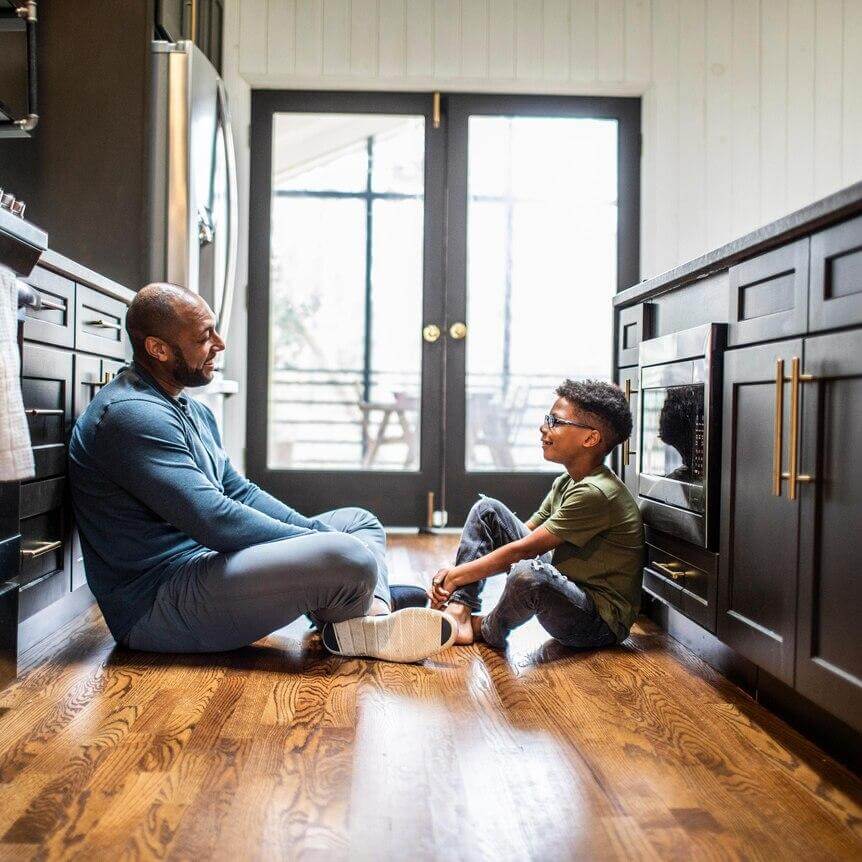
When a child says, “I don’t want to go to school,” it can be tempting to immediately respond, “You’ll be fine.”
That reassurance comes from a caring place, but it can end the conversation before you understand what’s actually worrying your child.
Try getting curious first.
You might say, “It sounds like something about school feels pretty stressful. What part are you thinking about most?”
The answer matters. Fear about finding a classroom calls for a different response than bullying, academic pressure, separation from a parent, or worrying about having no one to sit with at lunch.
Listening doesn’t mean agreeing that the feared outcome will happen. It means making room for the emotion before deciding what to do next. Cascade’s article on helping kids acknowledge difficult emotions while building resilience explores how parents can balance emotional support with helping children move through difficult experiences.
Avoid letting anxiety make every decision
Anxiety often encourages avoidance: stay home, skip the activity, don’t talk to anyone, or wait until you feel completely ready.
Avoidance can bring immediate relief. But if avoiding school or other normal activities becomes the main way of dealing with anxiety, it can become harder to learn, “I can feel nervous and still do this.”
Instead of asking, “How do I get rid of this feeling before school?” try asking, “What’s one manageable step I can take while this feeling is here?”
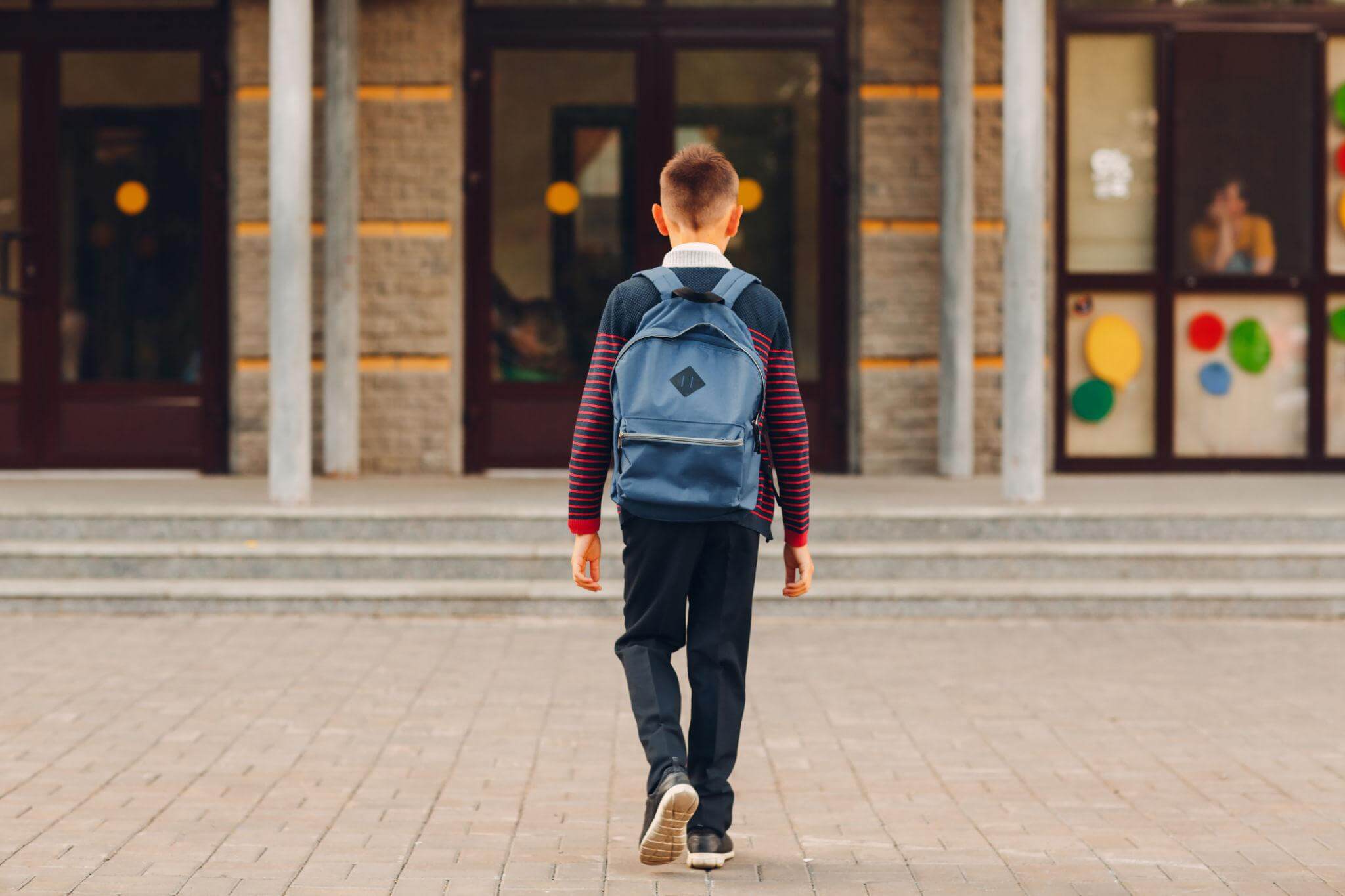
For a child, that step might be getting dressed and into the car. Then it might be walking to the school entrance.
For a college student, it could be attending the first class even while feeling nervous.
For a parent, it might mean giving a warm, predictable goodbye rather than repeatedly checking whether a child is okay.
The next step doesn’t have to feel easy. It just needs to be manageable.
What can I do when anxiety spikes before school?
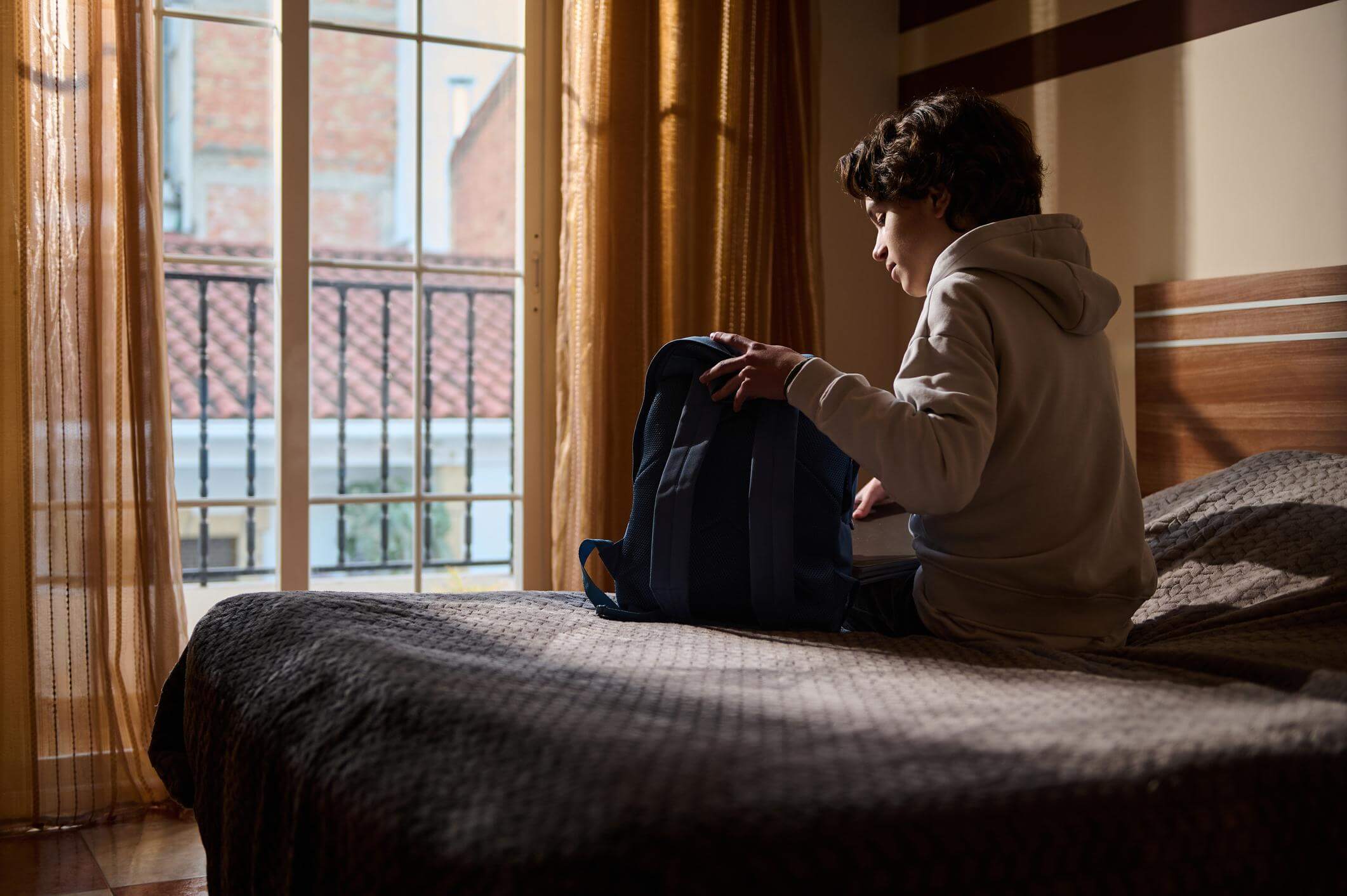
When anxiety is high, complicated advice can be difficult to use. Keep your response simple.
Slow your breathing instead of trying to force yourself to “calm down.” Notice where your feet are. Relax your shoulders. Bring your attention back to what’s happening right now rather than mentally rehearsing everything that could go wrong during the day.
Then shrink the time frame.
You don’t have to solve the entire school year at 7:15 on Monday morning. Focus on what’s immediately in front of you: breakfast, getting dressed, the drive, walking into the building, or getting through the first class.
For parents, your own pace matters too. You can acknowledge that your child is nervous without treating the nervousness as proof that something bad is going to happen.
A calm response might sound like, “I know this morning feels hard. Let’s focus on getting ready, and we’ll take it one step at a time.”
What if I’m the one going back to school?
Back-to-school anxiety isn’t limited to children.
College students, graduate students, and adults returning to school can worry about academic performance, meeting new people, managing a demanding schedule, finances, or balancing school with work and family responsibilities.
Many of the same strategies still apply.
Start by naming the specific concern instead of treating the entire semester as one giant problem.
“I’m anxious about school” might become:
- “I’m worried that I’ll fall behind.”
- “I don’t know anyone on campus.”
- “I’m nervous about speaking in class.”
- “I don’t know how I’ll balance school and work.”
A specific worry is easier to plan around.
Build a basic routine. Locate your classes. Decide when you’ll study. Figure out transportation. Identify people or campus resources you can contact when you need information or support.
Try not to measure readiness by whether you feel completely confident. Starting something important can feel uncomfortable even when you’ve prepared for it.
When does back-to-school anxiety need more support?
Anxiety deserves closer attention when it becomes persistent or intense enough to regularly interfere with school or everyday life.
For a child or teen, you might notice repeated difficulty getting to or staying at school, frequent physical complaints connected to school days, significant distress around separation, withdrawal from usual activities, or anxiety that is disrupting friendships or learning.
Those experiences don’t automatically mean your child has an anxiety disorder. There may be several reasons a student is struggling, including social concerns, bullying, academic difficulties, learning differences, health concerns, or other sources of stress.
If the pattern continues, consider talking with your child’s pediatrician, school counselor, or a qualified mental health professional. The goal is to understand what’s driving the distress rather than simply labeling the behavior.
For adolescents dealing with anxiety, academic pressure, friendships, or other school-related stress, therapy for teens can offer a private place to explore what’s happening and develop strategies that fit their needs.
Adults returning to school can also consider professional support when anxiety, panic, avoidance, sleep problems, or persistent worry are making it difficult to participate in school or daily life.
A nervous first day can still be a successful first day
You or your child don’t have to feel perfectly calm for the school year to begin well.
A better measure may be whether you can acknowledge the anxiety, prepare for what you can control, and keep taking reasonable steps forward even when some uncertainty remains.
For parents, that can mean offering compassion and confidence at the same time:
“I can see that this is hard, and I’ll help you through it.”
For students, the message can be even simpler:
“I’m nervous, and I can still take the next step.”
Starting school asks people to adjust to new routines, expectations, relationships, and responsibilities. Give yourself or your child some room to adjust. A difficult morning doesn’t predict the entire semester, and feeling anxious doesn’t mean you’re unprepared or incapable.
Getting support for back-to-school anxiety
Sometimes preparation, time, and support at home are enough to make the transition easier. Other times, anxiety continues to interfere with school, relationships, or everyday routines.
Therapy can provide a place to understand what’s behind the anxiety and find strategies that fit the individual rather than relying on a one-size-fits-all solution.
If you or your child could use additional support as the school year begins, reach out for a free, no-obligation consultationwith Cascade Counseling.
Back To School Anxiety FAQ
-
Is back-to-school anxiety normal?Some nervousness about starting or returning to school can be an expected response to change and uncertainty. Pay closer attention when anxiety becomes intense or persistent or regularly interferes with attendance, learning, relationships, sleep, or other parts of everyday life.
-
Should I let my child stay home if they're anxious about school?There isn't one answer that fits every child or situation. Repeated avoidance can sometimes reinforce anxiety, but school distress can also be connected to bullying, learning difficulties, health concerns, or other problems that need attention. Try to understand what's driving the anxiety and involve the school, pediatrician, or mental health professional when appropriate.
-
What should I say to a child who is scared about school?Start with curiosity instead of immediately trying to convince them everything will be fine. You might say, “I can tell you're worried. What part of school feels hardest right now?” Once you understand the concern, you can help your child identify one practical next step.
-
Can adults have back-to-school anxiety?
Yes. Adults returning to college, graduate programs, professional training, or other educational settings can experience anxiety about performance, workload, finances, relationships, or balancing school with other responsibilities. Preparation, manageable steps, predictable routines, and appropriate support can help make the transition more manageable.