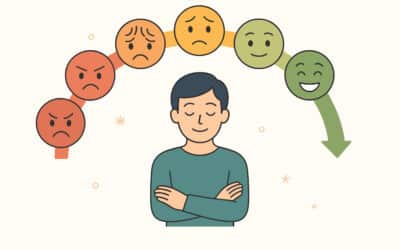

If you’re in a relationship with someone who has ADHD, you probably know what it’s like to feel exhausted — not just physically, but emotionally.
You might feel like the planner, the reminder, the manager, and the adult in the room. You’ve tried to be patient, to explain, to set boundaries. But after years of repeating yourself and feeling unheard, it’s natural to start wondering if your partner even cares.
And here’s the hard truth: love often isn’t the problem in ADHD relationships — misunderstanding is.
When you live with someone whose brain operates differently, it can feel like you’re speaking two different languages. One partner is constantly trying to stay organized, manage time, and remember details. The other is trying to keep the household — and sometimes their sanity — intact. Over time, resentment builds. And before either of you realize it, the relationship starts running on frustration instead of connection.
This post is a gentle invitation — a wake-up call wrapped in compassion — for the non-ADHD partner who feels stuck in that cycle. It’s not about blaming or minimizing your pain. It’s about helping you understand what’s really happening underneath the surface so that both of you can start healing.
The Invisible Weight of ADHD in Relationships
ADHD doesn’t just affect attention — it impacts how people plan, prioritize, regulate emotions, remember, and transition between tasks.
When those functions are inconsistent, the world can feel overwhelming — especially when one partner depends on the other for stability.
For the non-ADHD partner, this often translates into years of feeling like you can’t rely on the person you love. You ask them to pay the bills, and they forget. You remind them about an appointment, and they double-book. You try to have a serious conversation, and their attention drifts halfway through.
Eventually, those moments stop feeling like accidents and start feeling like rejection.
Many clients say, “I feel like I’m living with a teenager.” They step into the parental role — handling logistics, anticipating mistakes, cleaning up messes. And while that role feels necessary to keep things functioning, it erodes emotional intimacy.
The ADHD partner starts to feel controlled and shamed. The non-ADHD partner starts to feel lonely and burdened. The result? Both partners feel unseen.
When Helping Turns Into Managing
Most non-ADHD partners don’t begin by being controlling — they begin by being helpful. They make lists, create routines, and set reminders. But over time, “help” can morph into managing. Managing turns into resentment. And resentment turns into distance.
You might recognize these moments:
-
Sighing or rolling your eyes when your partner forgets something “obvious.”
-
Giving instructions instead of invitations.
-
Predicting failure before it happens — and stepping in to prevent it.
This isn’t because you’re a bad partner. It means you’re tired and trying to survive.
But ADHD brains are highly sensitive to criticism and shame. The more they feel controlled or inadequate, the more avoidance and defensiveness show up. This isn’t because they don’t care — it’s their nervous system protecting them.
When one partner takes the parental role, the other unconsciously slips into the child role. The relationship becomes polarized: one overly responsible, one under-responsible. Breaking that cycle starts with understanding, not judgment.
The Role of Shame in ADHD
If you take one thing from this post, let it be this: ADHD is not a lack of effort or love — it’s a difference in brain wiring.
Many people with ADHD have lived their entire lives being told they’re lazy, careless, or selfish. By adulthood, they’ve internalized that message so deeply that even small mistakes can trigger a tidal wave of shame.
This shame is often hidden beneath humor, distraction, or defensiveness. When your partner forgets something, they may already be berating themselves internally. Your frustration — while understandable — can unintentionally reinforce their belief that they’re a failure.
Once shame takes over, their brain goes into threat mode, making it even harder to focus, remember, or follow through. It’s a cruel loop:
-
More shame → fewer executive skills.
-
Fewer skills → more mistakes.
-
More mistakes → more shame.
Your compassion can interrupt that cycle.
Compassion Is Not Enabling
Let’s be clear: compassion doesn’t mean lowering all expectations or doing everything yourself.
It means shifting the lens from “Why won’t they just do it?” to “What’s getting in the way, and how can we work around it together?”
When partners stop moralizing ADHD symptoms and start problem-solving collaboratively, everything changes.
Reframes That Help:
-
Instead of “You’re always late!” try: “I know time can get away from you. What would help us get out the door faster next time?”
-
Instead of “I can’t believe you forgot again.” try: “It seems like remembering this is tough — would a visual reminder help?”
-
Instead of “Why can’t you just stay focused?” try: “Is this task feeling overwhelming? Let’s break it down together.”
These reframes turn criticism into collaboration and help your partner stay regulated rather than defensive.
The Grief That Comes with Acceptance
One of the hardest parts for non-ADHD partners is realizing: This is not something your partner will grow out of.ADHD is lifelong. Treatment and tools help immensely, but it doesn’t go away. That realization often brings grief.
You might grieve:
-
The fantasy of the partner who becomes naturally organized and consistent.
-
The effortless version of your relationship.
-
The person you’ve had to become — the manager, the planner, the parent.
This grief is real. It’s not ungratefulness or pessimism — it’s part of acceptance.
Once you stop fighting reality, you can finally change your experience of it. And many couples discover that once they stop trying to turn the ADHD partner into a neurotypical version of themselves, they can start appreciating what’s good about their differences: creativity, humor, spontaneity, passion, and perspective.
Moving from Hopelessness to Hope
Acceptance doesn’t mean “this is as good as it gets.” It means working with reality instead of against it.
Here’s what that can look like:
-
Externalize the problem. ADHD is not your partner — it’s a shared challenge.
-
“Looks like ADHD showed up again with the bills. How can we adjust our system so it doesn’t trip us up next time?”
-
-
Create systems, not scoldings. ADHD brains respond better to structure than verbal reminders.
-
Celebrate progress, not perfection. Notice effort, not just outcomes.
-
Focus on emotional repair. When things go wrong, prioritize reconnection over perfection.
-
Get support. ADHD-informed couples therapy or individual work can be life-changing.
The Power of Curiosity
Curiosity says, “Help me understand you,” instead of, “You’re doing it wrong.”
When someone with ADHD feels understood rather than judged, their nervous system calms — and their ability to follow through improves.
Healing the Parent–Child Dynamic
One of the biggest breakthroughs happens when couples dismantle the parent–child dynamic:
-
Allow natural consequences instead of rescuing.
-
Agree together on where structure is needed.
-
Let go of perfection in exchange for progress.
The goal isn’t for the ADHD partner to become neurotypical. The goal is for both partners to feel respected, supported, and seen.
Rediscovering Each Other
When ADHD becomes the constant third wheel, it’s easy to forget why you fell in love.
But beneath the cluttered desks and forgotten appointments is still the person who makes you laugh, who dreams big, and who loves deeply. Reconnecting often starts small: shared appreciation, humor, and time together that isn’t about logistics.
ADHD brains thrive in safe, fun, emotionally engaging relationships. Compassion isn’t just kind — it’s effective.
What Acceptance Really Means
Acceptance doesn’t end the work — it begins it.
Instead of expecting your partner to change who they are, you design a life that fits both of you:
-
Shared to-do lists instead of constant reminders.
-
Scheduled focus time and rest time.
-
Dividing tasks based on strengths rather than “fairness.”
Acceptance invites creativity and real connection.
A Hopeful Reframe
ADHD doesn’t destroy relationships — misunderstanding does.
When you start seeing ADHD for what it truly is, something powerful happens. You stop taking things so personally. You focus on connection instead of correction.
Couples who learn to work with ADHD often build stronger relationships than before — developing communication skills, flexibility, humor, and empathy that many never do.
Final Thoughts
If you’ve been carrying the load for a long time, you deserve acknowledgment. Loving someone with ADHD isn’t easy — and neither is learning to love them differently.
When you see your partner’s brain, not just their behavior, as the starting point, things can get better. Not perfect — but real, hopeful, and sustainable.
Because acceptance doesn’t end the work. It begins it.