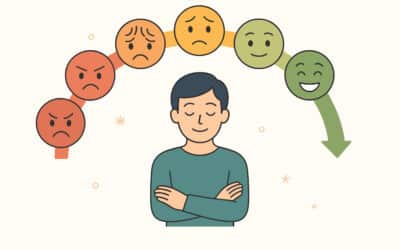

“I know I should be in bed, but my brain just won’t turn off.”
“I’m exhausted all day, but then the moment I lay down, I’m suddenly wide awake.”
“I try everything—no caffeine at night, turning off screens, even reading—but I still can’t fallasleep on time.”
If you live with ADHD—or love someone who does—these words probably sound familiar.
Sleep struggles are one of the most common challenges for people with ADHD, yet they don’t always get the attention they deserve. Many people think ADHD is just about attention or impulsivity, but the truth is, it’s a condition that deeply impacts the nervous system, daily rhythms, and yes…sleep.
In this post, we’ll talk about:
- Why people with ADHD often struggle with sleep.
- The science behind ADHD brains and circadian rhythms.
- The frustrating cycle of ADHD + sleep deprivation.
- Practical strategies that actually help (and ones that don’t).
- How to approach sleep with more compassion instead of shame.
Let’s jump in.
Why Sleep is Such a Big Deal for ADHD
When we talk about ADHD, most people think about focus, impulsivity, and hyperactivity. But underneath those symptoms is a brain that regulates differently. ADHD affects neurotransmitters like dopamine and norepinephrine, which play a huge role in motivation, alertness, and emotional regulation.
And here’s the kicker: those same brain chemicals also influence sleep-wake cycles.
That’s why so many people with ADHD report:
- Difficulty falling asleep (lying awake for hours, restless brain).
- Difficulty staying asleep (waking up multiple times).
- Difficulty waking up (hitting snooze 12 times or sleeping through alarms).
- Sleep disorders like delayed sleep phase syndrome, restless leg syndrome, or sleep apnea at higher rates.
So, sleep isn’t just “a side issue.” For people with ADHD, sleep problems are woven into the condition itself.
The “Racing Brain” Phenomenon
Let’s talk about one of the biggest culprits: the racing brain at night.
People with ADHD often describe it like this:
“The second my head hits the pillow, I suddenly remember everything I need to do, every
mistake I made in 7th grade, and every possible scenario for tomorrow’s meeting. It’s like my brain throws a party, and I wasn’t invited.”
Why does this happen?
ADHD brains often have trouble with self-regulation—the ability to manage thoughts,
emotions, and attention. During the day, distractions, tasks, and external stimulation keep the brain busy. But at night, when things get quiet, the brain doesn’t know how to downshift. Instead of easing into rest, the mind revs up. The same executive function challenges that make it hard to start tasks during the day also make it hard to stop thinking at night.
Circadian Rhythm and ADHD
Another layer here is the circadian rhythm—our body’s internal clock.
Research shows that people with ADHD are more likely to have delayed sleep phase disorder. That means their natural rhythm leans toward being a “night owl.” Their brains simply don’t release melatonin (the sleep hormone) as early as others. So while the world expects them to fall asleep at 10 p.m. and wake up at 7 a.m., their body might not feel ready to sleep until 1 a.m. or later.
This mismatch creates a constant battle:
- Bedtime comes, but the body isn’t tired.
- The alarm rings, but the body still feels like it’s the middle of the night.
- Sleep debt builds, leading to more daytime ADHD symptoms.
This isn’t laziness. It’s biology.
The ADHD–Sleep Deprivation Cycle
Here’s where things get messy. ADHD makes sleep harder. Lack of sleep makes ADHD symptoms worse. It’s a vicious cycle.
When you’re sleep-deprived, you might notice:
- Poorer attention and memory.
- Shorter fuse with emotions.
- Lower motivation.
- More impulsivity.
Sound familiar? Those are also ADHD symptoms. So, when someone with ADHD doesn’t get enough sleep, their challenges double down. And sadly, many adults don’t realize that what looks like “worsening ADHD” is often just sleep deprivation.
Common Sleep Disruptors in ADHD
Beyond circadian rhythms and racing thoughts, there are some specific patterns that often pop up:
1. Hyperfocus at Night: Many people with ADHD suddenly find a surge of energy late at night. They start a project, play a game, or scroll endlessly—and before they know it, it’s 2 a.m. Hyperfocus (intense, sustained attention on one thing) is part of ADHD, but at night it wreaks havoc on sleep.
2. Revenge Bedtime Procrastination: This term describes staying up late even when you know you’ll be exhausted tomorrow—because it feels like the only “me time” you get. People with ADHD, who often feel pressured during the day, are especially prone to this.
3. Coexisting Conditions: Anxiety, depression, or restless leg syndrome frequently co-occur with ADHD and make sleep
even harder.
4. Stimulant Medications
Medications like Adderall or Ritalin can sometimes affect sleep if taken too late in the day. On the flip side, some people actually sleep better on medication because their minds are calmer. It’s highly individual.
Compassion Over Shame
One of the hardest parts about ADHD and sleep struggles isn’t just the exhaustion—it’s the shame spiral.
“Why can’t I just go to bed like a normal person?”
“I’m always late because I oversleep. People must think I’m lazy.”
“I try so hard to fix my sleep, but nothing works.”
If this is you, hear this: It’s not a character flaw. ADHD brains truly operate differently, and sleep struggles are part of that reality. Approaching this with compassion instead of shame is crucial.
You’re not broken—you just need strategies that work for your brain.
Practical Strategies for Better Sleep with ADHD
Here’s the part you’ve been waiting for: what can actually help?
Let’s break it down into realistic, ADHD-friendly steps.
1. Create a Wind-Down Routine (That You Actually Like)
Traditional sleep advice says: turn off screens, read a book, dim the lights. Good advice—but if it feels boring or restrictive, ADHD brains will resist.
Instead, try:
- A podcast or audiobook with a calming voice.
- A cozy hobby like coloring, knitting, or puzzles.
- A “transition activity” like journaling or stretching.
The key is making bedtime something you look forward to.
2. Use Environmental Cues
Our brains love external reminders.
Try:
- Smart lights that dim automatically at a certain time.
- A white noise machine or fan.
- Weighted blankets to calm the nervous system.
3. Melatonin Timing
Talk to your doctor about whether melatonin could help. Timing matters—a small dose 1–2 hours before bed can help shift circadian rhythms. With some ADHD brains a smaller dose of melatonin is better than higher.
4. Limit “Sleep Saboteurs”
Caffeine, late-night scrolling, and inconsistent bedtimes are big culprits. But instead of aiming for perfection, start with small changes. For example: no caffeine after 2 p.m. or plugging your phone in across the room.
5. Address Coexisting Issues
If anxiety, depression, or restless leg syndrome are present, treating those can dramatically improve sleep.
6. Morning Light Exposure
Getting sunlight within an hour of waking helps reset the circadian clock. This can make it easier to fall asleep the next night. You can also use a sun lamp in the morning to help if you are unable to get outside within the first hour of waking up.
7. Body-Based Tools
Try calming the nervous system directly:
- Deep breathing or progressive muscle relaxation.
- Gentle yoga or stretching.
- Warm shower or bath to lower core body temperature.
8. Professional Help
Sometimes, the most supportive step is talking to a therapist or sleep specialist who understands ADHD.
What Doesn’t Work (and Why)
Not every tip is realistic for ADHD brains. Common advice like “just stick to a strict bedtime” or “turn off all screens an hour before bed” often backfires. Why? Because ADHD struggles with rigid structure and delayed gratification. Instead of trying to overhaul your whole routine overnight, experiment with one or two small, sustainable changes.
Reframing Sleep Success
What if success wasn’t about the perfect 8-hour night, but about creating more rest
opportunities overall?
That could mean:
- Allowing naps when possible.
- Practicing “good enough” sleep hygiene instead of perfection.
- Celebrating progress (falling asleep 20 minutes earlier or waking up with one fewer
snooze hit).
Sleep with ADHD isn’t about control—it’s about partnership with your brain.
Final Thoughts: A New Way of Seeing ADHD and Sleep
If you’ve been beating yourself up over sleep struggles, it’s not a personal failing it’s part of how ADHD affects the brain. Improving sleep isn’t about perfect discipline or willpower; it’s about understanding your brain’s rhythms and building strategies that work with them, not against them. I hope this gave you both clarity and relief. ADHD and sleep are deeply connected, and it’s not about willpower or laziness—it’s about biology, self-regulation, and rhythms.
By approaching sleep with curiosity, compassion, and realistic strategies, you can slowly create better rest. It won’t be perfect (no one’s sleep is!), but it can be gentler, more predictable, and less of a nightly battle. Getting more rest won’t erase ADHD, but it can make symptoms easier to manage and your days feel more balanced.
Here’s the truth: your brain deserves rest, and you deserve peace.